
Furniture is more than just a functional necessity—it defines the personality, comfort, and visual identity of a space. Whether you’re furnishing a cozy home, a luxury hotel, a stylish café, or a modern office, choosing the right furniture design theme creates a cohesive environment that enhances both aesthetics and functionality.
In 2026, furniture design continues to evolve by blending timeless craftsmanship with contemporary innovation. While some classic themes like Victorian, Colonial, and French furniture remain symbols of elegance, modern trends such as Minimalist, Mid-Century Modern, Industrial, and Bohemian designs continue to shape residential and hospitality interiors worldwide. At the same time, growing demand for sustainable living has made handcrafted furniture, reclaimed wood furniture, and eco-friendly materials more popular than ever.
Understanding different furniture design themes helps homeowners, interior designers, architects, hospitality businesses, and furniture buyers make informed decisions that align with their lifestyle, budget, and long-term design goals. Each theme offers its own unique combination of materials, colors, craftsmanship, and historical influences, making it suitable for specific spaces and purposes.
In this comprehensive guide, you’ll discover the most influential furniture design themes that continue to dominate in 2026. We’ll explore their defining characteristics, ideal applications, advantages, and how to choose the perfect furniture style for residential and hospitality spaces.
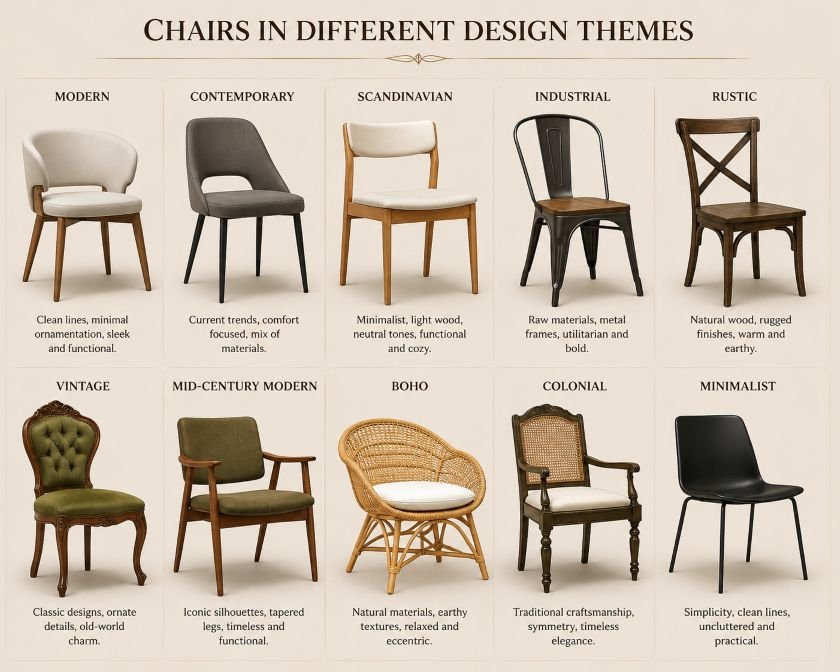
What Are Furniture Design Themes?
Furniture design themes are a set of design principles that define the overall look, feel, and character of furniture within a space. They combine elements such as materials, shapes, colors, finishes, textures, craftsmanship, and historical influences to create a consistent visual identity. Rather than focusing on a single piece of furniture, a design theme establishes a cohesive language that connects every furnishing in a room or throughout an entire property.
Whether you’re designing a modern apartment, a rustic farmhouse, a luxury hotel, or a contemporary café, selecting a furniture design theme ensures that every piece works together harmoniously. A well-defined theme not only enhances aesthetics but also improves functionality, user experience, and long-term design consistency.
How Furniture Design Themes Influence Furniture Design
Every furniture design theme has its own distinctive characteristics that shape how furniture is designed and manufactured.
- Shape: Clean geometric lines define modern furniture, while curved silhouettes and ornate carvings are common in Victorian and French furniture.
- Materials: Themes determine the primary materials used, such as solid wood, reclaimed timber, metal, glass, rattan, cane, marble, or engineered wood.
- Finishes: Natural oil finishes, matte lacquers, distressed paint, polished wood, and metallic coatings all contribute to a theme’s unique appearance.
- Colors: Minimalist interiors typically use neutral palettes, while Bohemian and Ethnic furniture often feature vibrant colors and layered tones.
- Craftsmanship: Some themes emphasize handcrafted joinery and traditional carving techniques, while others prioritize machine precision and minimalist construction.
Together, these elements create furniture that reflects a specific design philosophy while meeting practical requirements.
The Relationship Between Architecture and Furniture Design Themes
Furniture design and architecture have always evolved together. The architectural style of a building often influences the furniture that best complements its spaces.
For example:
- Modern architecture pairs naturally with Modern and Minimalist furniture.
- Colonial homes are complemented by Colonial or Vintage furniture.
- Industrial lofts work well with Industrial furniture featuring exposed steel and reclaimed wood.
- Heritage buildings often incorporate Victorian, French, or Antique furniture.
- Contemporary homes typically feature Contemporary or Mid-Century Modern furniture with clean lines and functional layouts.
When furniture aligns with a building’s architectural style, the result is a balanced, visually appealing interior that feels intentional rather than mismatched.
Why Consistency in Furniture Design Themes Matters
Using a consistent furniture design theme creates harmony throughout an interior. Instead of every room feeling disconnected, a unified theme establishes continuity while allowing individual spaces to express their own character.
Benefits of maintaining a consistent furniture theme include:
- Creates a cohesive and professional-looking interior.
- Improves visual flow between rooms.
- Simplifies furniture selection during renovations or expansions.
- Strengthens brand identity in hotels, restaurants, cafés, and commercial spaces.
- Increases the perceived quality and value of the property.
- Makes future furniture purchases easier by following a clear design direction.
Consistency doesn’t mean every piece must look identical. Instead, furniture should share common design elements, materials, proportions, or finishes that tie the space together.
Furniture Theme vs Furniture Style vs Interior Design Theme vs Decor Style
Although these terms are often used interchangeably, they have distinct meanings.
| Term | Definition | Example |
| Furniture Theme | The overall design concept that guides the appearance, materials, craftsmanship, and character of furniture throughout a space. | Industrial Furniture, Rustic Furniture |
| Furniture Style | The specific visual characteristics of an individual furniture piece or collection. | Wingback Chair, Windsor Chair, Parsons Table |
| Interior Design Theme | A complete design approach that combines architecture, furniture, lighting, flooring, colors, and spatial planning. | Scandinavian Interior, Farmhouse Interior |
| Decor Style | The finishing touches that personalize a space through accessories, artwork, textiles, lighting, and decorative objects. | Coastal Decor, Bohemian Decor |
Understanding these differences helps homeowners, designers, and businesses create interiors where every design element works together seamlessly.
Furniture Design Themes for Hospitality and Residential Spaces
Furniture design themes are not one-size-fits-all. The ideal theme depends on how a space is used, who uses it, and the experience it aims to create. While residential furniture prioritizes comfort, personalization, and everyday living, hospitality furniture focuses on durability, brand identity, guest satisfaction, and long-term performance.
Although many design themes—such as Modern, Contemporary, Industrial, or Minimalist—can be used in both settings, they are adapted differently to meet residential and commercial requirements. Understanding these differences helps homeowners, interior designers, architects, and hospitality businesses choose furniture that balances aesthetics with functionality.
Residential Furniture Design Themes
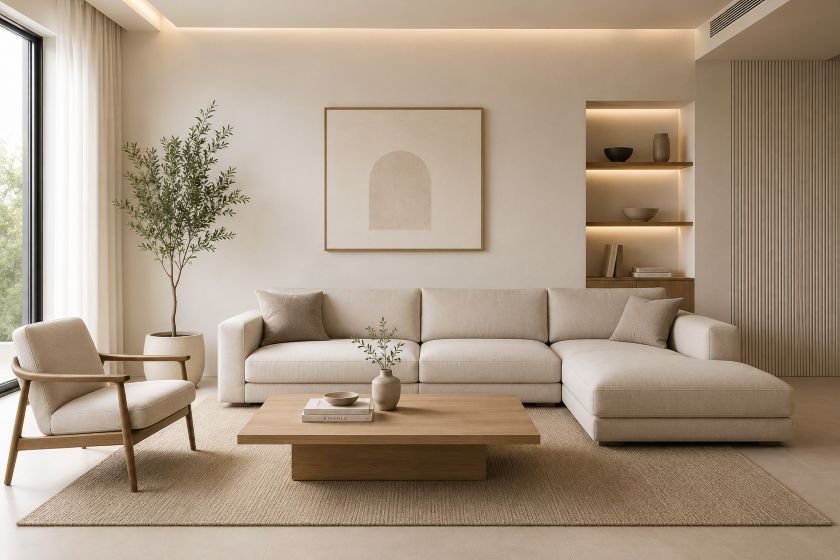
Residential furniture is designed to create warm, comfortable, and personalized living environments. Homeowners often choose themes that reflect their lifestyle, personal taste, and daily needs while ensuring long-term comfort.
Living Rooms
The living room is the focal point of every home and often showcases the chosen furniture design theme most prominently. Popular choices include Modern, Contemporary, Scandinavian-inspired Minimalist, Rustic, Mid-Century Modern, and Bohemian furniture. Comfortable sofas, accent chairs, coffee tables, entertainment units, and decorative storage pieces define the overall aesthetic while encouraging relaxation and social interaction.
Bedrooms
Bedroom furniture should combine style with comfort. Popular themes include Minimalist, Modern, Vintage, French, Colonial, and Handcrafted furniture. Beds, wardrobes, bedside tables, and dressers are selected to create a peaceful environment that promotes rest while complementing the home’s overall design language.
Dining Rooms
Dining spaces benefit from furniture themes that encourage gatherings while adding visual appeal. Solid wood dining tables, upholstered chairs, sideboards, and display cabinets are commonly found in Contemporary, Rustic, Colonial, Industrial, and Modern dining room designs.
Home Offices
As remote work becomes increasingly common, home offices require furniture that improves productivity without sacrificing style. Modern, Contemporary, Industrial, and Minimalist themes dominate this space, featuring ergonomic desks, storage cabinets, bookshelves, and comfortable office chairs.
Outdoor Furniture
Outdoor living spaces extend the home’s personality beyond its walls. Popular outdoor furniture themes include Rustic, Bohemian, Contemporary, and Tropical-inspired designs. Weather-resistant materials such as teak, aluminum, synthetic rattan, wicker, and powder-coated steel ensure durability while maintaining aesthetic appeal.
Hospitality Furniture Design Themes
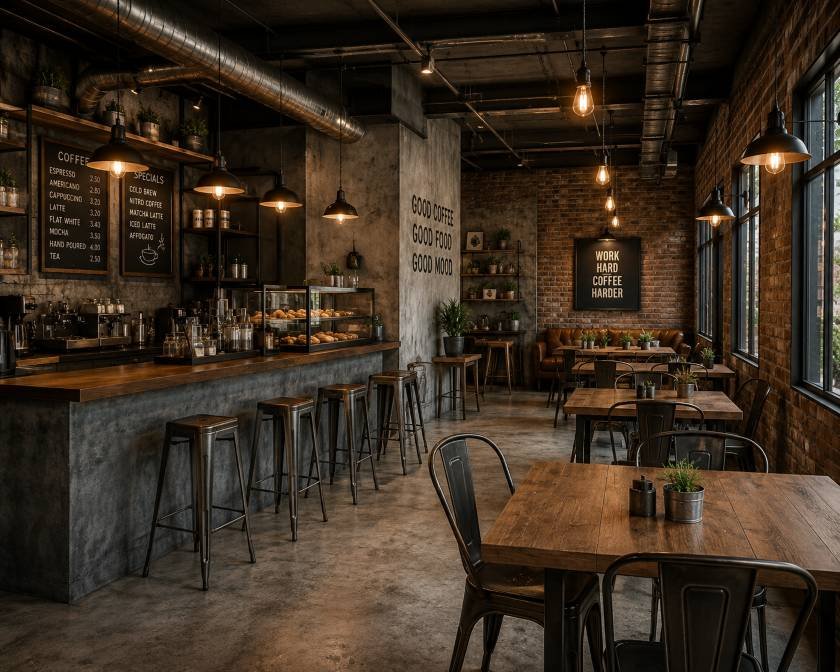
Hospitality furniture is engineered to withstand continuous commercial use while creating memorable guest experiences. Every furniture choice contributes to a property’s identity, customer comfort, and operational efficiency.
Hotels
Hotels often combine Contemporary, Modern, Luxury, and Minimalist furniture themes to create elegant, welcoming interiors. Guest room furniture, reception desks, lounge seating, and public area furnishings are selected for durability, comfort, and ease of maintenance while reinforcing the hotel’s brand image.
Resorts
Resorts emphasize relaxation and connection with nature. Furniture themes commonly feature Rustic, Tropical, Coastal, Bohemian, and Handcrafted designs using natural materials such as solid wood, cane, rattan, and woven fibers. Comfortable lounge furniture and outdoor seating enhance the guest experience.
Restaurants
Restaurant furniture reflects the dining concept and customer expectations. Industrial themes suit urban eateries, while Rustic, Contemporary, Vintage, or Ethnic furniture creates distinctive dining atmospheres. Tables, chairs, booths, and bar seating must withstand frequent use while maintaining visual appeal.
Cafés
Cafés often adopt Modern, Industrial, Scandinavian-inspired, Vintage, or Bohemian furniture themes to create inviting spaces that encourage customers to linger. Comfortable seating, communal tables, and unique decorative elements contribute to the café’s identity and social atmosphere.
Bars
Bars typically feature Industrial, Contemporary, Rustic, or Luxury furniture themes. Durable bar stools, high-top tables, lounge seating, and statement lighting combine to create vibrant spaces designed for heavy foot traffic and long operating hours.
Villas
Luxury villas blend residential comfort with premium hospitality standards. Modern, Contemporary, Mediterranean-inspired, Colonial, and Handcrafted furniture themes create sophisticated interiors that offer both elegance and relaxation.
Boutique Hotels
Boutique hotels are known for their distinctive personalities. They often combine Vintage, Industrial, Bohemian, Ethnic, or Mid-Century Modern furniture with locally crafted pieces to deliver unique and memorable guest experiences that differentiate them from large hotel chains.
Luxury Hospitality
Luxury hotels, high-end resorts, and premium hospitality projects typically feature French, Victorian, Contemporary Luxury, or Modern furniture themes. Premium materials such as marble, hardwood, brass, leather, velvet, and custom upholstery are paired with exceptional craftsmanship to create timeless elegance and reinforce the property’s prestige.
Furniture in luxury hospitality must deliver not only visual impact but also superior comfort, durability, and an unforgettable guest experience.
Different Types of Popular Furniture Design Themes
Modern Furniture
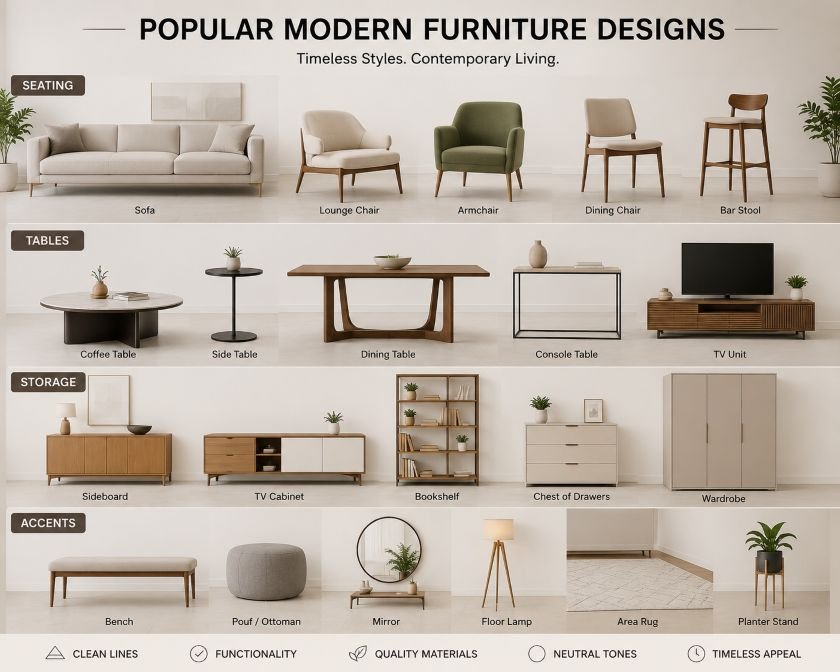
Modern furniture is one of the most influential and enduring furniture design themes, celebrated for its clean lines, functional layouts, and minimalist aesthetics. Contrary to popular belief, “modern furniture” does not simply mean contemporary or current furniture—it refers to a specific design movement that emerged during the early 20th century. Today, its timeless appeal continues to dominate residential and hospitality interiors, making it one of the most popular furniture styles in 2026.
History of Modern Furniture
The roots of modern furniture can be traced back to the late 19th and early 20th centuries, when designers began rejecting the heavy ornamentation of Victorian and traditional furniture. Influenced by movements such as Bauhaus, Modernism, and Scandinavian design, modern furniture embraced the principle that form should follow function.
Advances in manufacturing technologies introduced new materials like tubular steel, molded plywood, and glass, allowing designers to create furniture that was lighter, simpler, and more practical. Over the decades, modern furniture evolved while maintaining its focus on functionality, comfort, and understated elegance, making it a staple in homes, offices, hotels, and commercial spaces around the world.
Characteristics of Modern Furniture
Modern furniture is defined by simplicity, functionality, and uncluttered design. Its key characteristics include:
- Clean, straight, and geometric lines
- Minimal ornamentation and decorative detailing
- Functional, purpose-driven designs
- Open and airy visual appearance
- Smooth surfaces with sleek finishes
- Balanced proportions and simple silhouettes
- Neutral and calming color palettes
- Emphasis on comfort and usability
- Efficient use of space
- Timeless aesthetics that complement various interior styles
Common Materials Used
Modern furniture combines natural and engineered materials to achieve durability and visual simplicity. Common materials include:
- Solid wood (Oak, Walnut, Ash, Maple)
- Engineered wood and plywood
- Stainless steel
- Powder-coated metal
- Tempered glass
- Aluminum
- Leather
- Linen and cotton upholstery
- High-density foam
- Marble and stone accents
These materials are often paired to create furniture that is both elegant and practical.
Popular Color Palette
Modern furniture typically features neutral, sophisticated colors that create calm and spacious interiors.
Common colors include:
- White
- Black
- Grey
- Beige
- Cream
- Natural wood tones
- Charcoal
- Soft brown
- Olive green (as an accent)
- Navy blue (for statement pieces)
Accent colors are generally used sparingly to maintain the clean and balanced aesthetic.
Common Types of Modern Furniture
Modern furniture can be found throughout residential and commercial interiors. Popular pieces include:
- Platform beds
- Upholstered beds
- Modular sofas
- Sectional sofas
- Lounge chairs
- Coffee tables
- TV units
- Console tables
- Dining tables
- Dining chairs
- Sideboards
- Bookshelves
- Office desks
- Ergonomic office chairs
- Wardrobes
- Storage cabinets
- Outdoor lounge furniture
Many modern furniture collections feature modular designs that maximize flexibility and space efficiency.
Best Suited For
Modern furniture is highly versatile and works well across a wide range of environments, including:
- Modern homes and apartments
- Luxury villas
- Contemporary offices
- Hotels and resorts
- Boutique hotels
- Restaurants and cafés
- Co-working spaces
- Corporate reception areas
- Retail showrooms
- Urban living spaces
Its simple design makes it especially suitable for open-plan interiors and smaller spaces where visual clutter needs to be minimized.
Advantages of Modern Furniture
Modern furniture remains a favorite among homeowners, designers, and hospitality businesses because it offers several benefits:
- Timeless design that rarely goes out of style
- Clean and organized appearance
- Maximizes available space
- Comfortable and highly functional
- Easy to maintain and clean
- Versatile enough to suit various interior themes
- Compatible with smart homes and modern technology
- Widely available in different materials and price ranges
- Ideal for both residential and commercial environments
Disadvantages of Modern Furniture
While modern furniture offers many advantages, there are a few considerations before choosing this design theme:
- Minimalist aesthetics may feel too plain for those who prefer ornate interiors.
- High-quality modern furniture made from premium materials can be expensive.
- Neutral color palettes may appear less vibrant without carefully selected décor.
- Sleek surfaces such as glass or polished finishes can show fingerprints and scratches more easily.
- Some ultra-minimalist designs prioritize aesthetics over softness, making comfort dependent on the quality of upholstery.
Overall, modern furniture remains one of the most versatile and enduring furniture design themes, offering the perfect balance of functionality, elegance, and timeless appeal for both residential and hospitality spaces.
European Furniture
European furniture is renowned worldwide for its exceptional craftsmanship, timeless elegance, and innovative design. Rather than representing a single style, it encompasses a rich collection of furniture traditions developed across different European countries, each contributing its own unique philosophy, materials, and aesthetic. From the clean simplicity of Scandinavian design to the luxurious detailing of Italian furniture, European furniture continues to influence residential and hospitality interiors in 2026.
Today, European furniture is synonymous with quality, durability, and sophisticated design, making it a preferred choice for luxury homes, hotels, restaurants, corporate offices, and premium commercial spaces.
Scandinavian Influence
Scandinavian furniture, originating from Denmark, Sweden, Norway, and Finland, is one of the most influential branches of European furniture design. It emphasizes simplicity, functionality, and comfort while maintaining a strong connection to nature.
Key characteristics include:
- Minimalist and uncluttered designs
- Clean, straight lines with soft organic curves
- Light-colored natural woods
- Neutral color palettes with warm accents
- Functional, space-saving furniture
- High emphasis on ergonomics and everyday comfort
- Sustainable materials and environmentally responsible production
Scandinavian furniture is particularly popular in modern apartments, family homes, boutique hotels, cafés, and coworking spaces because it creates bright, welcoming interiors.
Italian Luxury
Italy has long been recognized as a global leader in luxury furniture design. Italian furniture combines artistic craftsmanship with innovative manufacturing techniques, resulting in pieces that are both visually striking and highly functional.
Common characteristics include:
- Elegant proportions and refined detailing
- Premium-quality materials
- Luxurious upholstery using leather and fine fabrics
- Sculptural forms and contemporary silhouettes
- Marble, glass, and polished metal accents
- Exceptional attention to craftsmanship
- Custom-designed furniture for luxury interiors
Italian furniture is widely used in luxury residences, five-star hotels, executive offices, upscale restaurants, and designer showrooms where sophistication and exclusivity are priorities.
German Functionality
German furniture is admired for its engineering precision, durability, and practical design. Rather than focusing on decoration, German manufacturers prioritize functionality, efficiency, and long-lasting performance.
Its defining features include:
- Precision engineering
- Clean and practical aesthetics
- Innovative storage solutions
- Ergonomic furniture design
- High manufacturing standards
- Durable construction for everyday use
- Smart integration of technology and modular systems
German furniture is especially suitable for offices, kitchens, modern homes, hospitality projects, and commercial environments that demand reliability and efficiency.
British Elegance
British furniture blends traditional craftsmanship with understated sophistication. Inspired by centuries of design history, it balances classic elegance with modern comfort, making it a timeless choice for both residential and hospitality interiors.
Typical characteristics include:
- Refined and symmetrical proportions
- Rich wood finishes
- Tufted sofas and upholstered seating
- Classic dining and bedroom furniture
- Brass hardware and decorative detailing
- Comfortable yet formal appearance
- Blend of heritage and contemporary influences
British-inspired furniture is commonly found in country homes, heritage properties, luxury hotels, libraries, executive offices, and boutique hospitality spaces.
Common Materials Used
European furniture manufacturers are known for selecting premium materials that combine beauty, durability, and sustainability.
Frequently used materials include:
- Solid hardwood
- Engineered wood
- Natural veneer
- Marble
- Tempered glass
- Stainless steel
- Brass
- Aluminum
- Genuine leather
- Linen
- Wool
- Velvet
- Natural stone
- Rattan and woven fibers (in selected collections)
These materials contribute to furniture that is built to last while maintaining a refined appearance.
Popular Woods in European Furniture
Wood remains one of the defining materials of European furniture. Different species are chosen based on their strength, grain pattern, and aesthetic qualities.
Popular European furniture woods include:
- Oak
- Walnut
- Beech
- Ash
- Birch
- Maple
- Cherry
- Pine
- Spruce
- Elm
Solid hardwoods are especially valued for premium dining tables, cabinets, wardrobes, beds, and handcrafted furniture due to their durability and timeless appeal.
Modern European Furniture Trends (2026)
European furniture continues to evolve by combining traditional craftsmanship with contemporary innovation. The leading trends shaping European furniture in 2026 include:
- Sustainable and responsibly sourced materials
- Minimalist forms with enhanced comfort
- Curved silhouettes and soft organic shapes
- Modular and multifunctional furniture
- Warm neutral color palettes
- Mixed materials such as wood, metal, stone, and glass
- Smart furniture with integrated technology
- Handcrafted details paired with advanced manufacturing
- Eco-friendly finishes and low-VOC coatings
- Custom furniture designed for flexible residential and hospitality spaces
These trends reflect growing demand for furniture that is environmentally responsible, visually timeless, and adaptable to modern lifestyles.
European furniture remains one of the world’s most respected furniture design themes because it successfully combines heritage, innovation, quality craftsmanship, and functional design. Whether inspired by Scandinavian simplicity, Italian luxury, German precision, or British elegance, European furniture offers versatile solutions that enhance both residential and hospitality interiors.
Contemporary Furniture
Contemporary furniture refers to furniture that reflects the latest design trends, lifestyles, and technological innovations. Unlike modern furniture, which belongs to a specific design movement of the early 20th century, contemporary furniture is constantly evolving to match current consumer preferences and interior design trends.
In 2026, contemporary furniture emphasizes flexibility, sustainability, comfort, and multifunctionality. It combines minimalist aesthetics with soft forms, natural materials, and smart technology to create interiors that are both stylish and practical. This adaptability makes contemporary furniture one of the most sought-after furniture design themes for homes, hotels, offices, restaurants, and other commercial spaces.
Current Trends in Contemporary Furniture
Contemporary furniture continues to evolve alongside changes in architecture, technology, and lifestyle. Some of the defining trends in 2026 include:
- Sustainable and eco-friendly furniture made from responsibly sourced materials.
- Multifunctional furniture designed for compact homes and flexible workspaces.
- Modular seating systems that can be rearranged to suit different layouts.
- Minimalist designs with greater emphasis on comfort.
- Curved silhouettes that soften modern interiors.
- Natural textures that create warm and inviting spaces.
- Hidden storage solutions for clutter-free living.
- Customizable furniture that adapts to changing needs.
- Handmade details combined with advanced manufacturing techniques.
- Furniture designed for wellness, ergonomics, and everyday comfort.
These trends make contemporary furniture suitable for both residential and hospitality environments where functionality and aesthetics are equally important.
Organic Shapes
One of the defining characteristics of contemporary furniture is the use of organic shapes inspired by nature. Instead of rigid geometric forms, many contemporary designs feature smooth curves, rounded corners, flowing lines, and sculptural silhouettes.
Popular examples include:
- Curved sofas
- Rounded coffee tables
- Oval dining tables
- Barrel chairs
- Soft-edged storage cabinets
- Sculptural lounge chairs
- Circular mirrors and accent furniture
Organic forms create a more relaxed atmosphere while improving movement and visual flow throughout a room. They also pair well with open-plan interiors commonly found in modern homes, boutique hotels, cafés, and luxury resorts.
Neutral Color Palettes
Contemporary furniture relies on calming, neutral color palettes that create timeless interiors while allowing decorative accents to stand out.
Common contemporary colors include:
- White
- Off-white
- Beige
- Cream
- Light grey
- Charcoal
- Taupe
- Sand
- Natural wood tones
- Soft olive green
- Warm terracotta
- Muted blue accents
These colors make interiors appear brighter, more spacious, and easier to update with seasonal décor or artwork.
Mixed Materials
Contemporary furniture often combines multiple materials within a single piece to create visual contrast and improve durability. This layered approach adds depth without overwhelming the simplicity of the design.
Popular material combinations include:
- Solid wood with powder-coated steel
- Marble paired with metal frames
- Glass tabletops with wooden bases
- Leather upholstery with timber accents
- Bouclé fabric combined with oak or walnut
- Stone surfaces with brass details
- Cane or rattan inserts with hardwood frames
By blending natural and industrial materials, contemporary furniture achieves a balanced look that complements both residential and commercial interiors.
Smart Furniture Integration
As technology becomes an essential part of everyday life, contemporary furniture increasingly incorporates smart features that improve convenience, efficiency, and user experience.
Examples of smart furniture integration include:
- Wireless charging built into side tables and desks.
- Height-adjustable desks for ergonomic working.
- Sofas with integrated USB charging ports.
- Beds with hidden storage and adjustable bases.
- Smart lighting integrated into bedside tables and shelving.
- Modular furniture that adapts to different room layouts.
- Entertainment units with cable management systems.
- Motion-sensor lighting in wardrobes and cabinets.
- App-controlled reclining chairs and smart seating solutions.
These innovations make contemporary furniture particularly appealing for modern homes, luxury hotels, coworking spaces, executive offices, and premium hospitality projects where comfort and technology go hand in hand.
Contemporary furniture continues to dominate interior design in 2026 because it evolves with changing lifestyles while maintaining a balance between beauty, comfort, and functionality. By embracing organic forms, sustainable materials, neutral palettes, and smart technology, it offers versatile solutions that meet the needs of today’s residential and hospitality spaces.
Reclaimed Wood Furniture
Reclaimed wood furniture is one of the fastest-growing furniture design themes in 2026, driven by increasing demand for sustainability, authenticity, and timeless craftsmanship. Instead of using newly harvested timber, reclaimed wood furniture is crafted from salvaged wood recovered from old barns, factories, warehouses, railway sleepers, ships, bridges, and historic buildings. These materials are carefully restored, treated, and repurposed into durable furniture that combines environmental responsibility with distinctive character.
Every reclaimed wood furniture piece tells a unique story through its natural grain, knots, weathered texture, and aged patina, making it a popular choice for homeowners, interior designers, architects, and hospitality businesses seeking sustainable yet stylish interiors.
Sustainable Furniture
Reclaimed wood furniture plays an important role in sustainable interior design by extending the life of existing timber and reducing the demand for newly harvested wood. Rather than allowing valuable hardwoods to become waste, reclaimed timber is given a second life through expert craftsmanship.
As sustainability becomes a priority for both residential and commercial projects, reclaimed wood furniture offers an environmentally responsible alternative without compromising on quality or aesthetics.
Key sustainability features include:
- Reduces deforestation by minimizing the need for new timber.
- Reuses valuable hardwoods that may no longer be commercially available.
- Supports circular economy principles by repurposing existing materials.
- Reduces construction and demolition waste sent to landfills.
- Preserves the natural beauty and history of aged wood.
- Encourages responsible manufacturing practices.
Recycled Timber
The beauty of reclaimed wood furniture lies in the quality and character of recycled timber. Many reclaimed boards come from structures that are decades—or even centuries—old, resulting in dense, durable wood with rich textures that are difficult to replicate using newly harvested timber.
Common sources of reclaimed timber include:
- Old barns and farmhouses
- Historic homes
- Industrial factories
- Railway sleepers
- Shipping docks and ports
- Wooden bridges
- Wine barrels
- Warehouses
- Timber mills
- Decommissioned ships
Popular reclaimed wood species include:
- Oak
- Teak
- Pine
- Elm
- Walnut
- Douglas Fir
- Chestnut
- Mango Wood
- Sheesham (Indian Rosewood)
Each piece retains natural imperfections such as knots, nail marks, saw marks, and weathered grain, adding authenticity and individuality.
Eco-Friendly Benefits
Choosing reclaimed wood furniture offers significant environmental and practical advantages beyond its distinctive appearance.
Benefits include:
- Conserves natural forests and biodiversity.
- Reduces carbon emissions associated with logging and timber processing.
- Minimizes landfill waste by repurposing discarded wood.
- Makes use of mature hardwoods that are often stronger than newly harvested timber.
- Requires less energy compared to processing fresh lumber.
- Creates unique furniture with one-of-a-kind textures and finishes.
- Supports green building certifications and sustainable design initiatives.
- Adds warmth and natural character to modern and traditional interiors.
For environmentally conscious homeowners and businesses, reclaimed wood furniture combines responsible sourcing with lasting durability.
Commercial Applications
Reclaimed wood furniture has become increasingly popular in commercial interiors because it creates welcoming spaces while reinforcing sustainability commitments and brand identity.
Common commercial applications include:
- Boutique hotels
- Luxury resorts
- Restaurants
- Cafés
- Bars and breweries
- Corporate offices
- Coworking spaces
- Retail stores
- Farm-to-table dining venues
- Eco-friendly resorts
- Reception areas
- Hospitality lounges
Typical reclaimed wood furniture includes:
- Dining tables
- Coffee tables
- Restaurant tables
- Bar counters
- Reception desks
- Bed frames
- Headboards
- Bookshelves
- Display cabinets
- Console tables
- Benches
- Floating shelves
Its rustic yet refined appearance pairs exceptionally well with Industrial, Rustic, Contemporary, Scandinavian, Farmhouse, and Modern interior design themes.
Maintenance
Although reclaimed wood furniture is highly durable, proper care helps preserve its natural beauty for decades.
Maintenance tips include:
- Dust regularly using a soft microfiber cloth.
- Wipe spills immediately to prevent moisture damage.
- Clean with mild wood-safe cleaners instead of harsh chemicals.
- Apply natural wood oil or furniture wax periodically to nourish the timber.
- Avoid prolonged exposure to direct sunlight to reduce fading.
- Use coasters, placemats, and protective pads to prevent scratches and stains.
- Maintain stable indoor humidity to minimize wood movement.
- Inspect joints and hardware occasionally for long-term stability.
With proper maintenance, reclaimed wood furniture develops an even richer patina over time, enhancing its character and extending its lifespan.
Reclaimed wood furniture is more than a sustainable design choice—it is an investment in craftsmanship, history, and environmental responsibility. Its unique textures, exceptional durability, and timeless appeal make it an excellent option for both residential and hospitality spaces, proving that recycled materials can deliver luxury, functionality, and lasting value.
Distressed Furniture
Distressed furniture is a timeless furniture design theme that recreates the charm and character of naturally aged furniture through carefully crafted finishing techniques. Instead of waiting decades for wood to develop signs of wear, artisans intentionally create a weathered appearance that gives furniture a lived-in, antique-inspired look. The result is furniture with rustic elegance, unique textures, and vintage appeal that fits beautifully in both residential and hospitality interiors.
In 2026, distressed furniture remains a popular choice for homeowners, interior designers, and hospitality businesses seeking warm, inviting spaces with authentic character. It pairs especially well with Farmhouse, Rustic, French Country, Shabby Chic, Coastal, and Vintage interior styles.
Artificial Aging
The defining feature of distressed furniture is artificial aging—a process that intentionally replicates the natural wear and patina that develop over many years of use. Skilled craftsmen use specialized techniques to soften edges, expose wood grain, and create subtle imperfections that make each piece appear naturally aged.
Common distressing methods include:
- Hand sanding edges and corners
- Light surface scratching
- Wire brushing to enhance wood grain
- Creating worn paint effects
- Gentle denting and weathering
- Layering stains and finishes
- Antique glazing for depth and character
When done professionally, these techniques produce furniture that looks authentic rather than damaged, preserving both beauty and durability.
Vintage Appearance
One of the main reasons distressed furniture remains popular is its ability to create the appearance of genuine vintage or antique furniture without the cost or maintenance of original antiques.
Typical characteristics include:
- Worn edges and softened corners
- Visible wood grain beneath painted finishes
- Layered paint with naturally faded effects
- Weathered textures
- Soft matte finishes
- Rustic imperfections
- Antique-inspired hardware
- Warm, aged color tones
This vintage-inspired aesthetic adds personality and warmth, making interiors feel comfortable, welcoming, and full of history.
Paint Techniques
Paint finishes play a crucial role in achieving the signature distressed look. Different techniques create varying levels of texture and aging while allowing the natural beauty of the wood to remain visible.
Popular distressing techniques include:
- Dry Brushing: Applying minimal paint with a nearly dry brush to highlight wood texture.
- Sanding: Removing portions of the paint after drying to reveal the wood or underlying paint layers.
- Layered Painting: Applying multiple colors and selectively exposing lower layers for an aged appearance.
- Whitewashing: Using diluted paint to soften the wood while preserving its natural grain.
- Chalk Paint Finishes: Creating a soft, matte texture that can be easily distressed.
- Antique Glazing: Applying tinted glaze to emphasize carvings, moldings, and recessed details.
- Crackle Finish: Producing controlled cracks that imitate naturally aged paint.
These techniques ensure that every distressed furniture piece has its own unique character and handcrafted appeal.
Farmhouse Interiors
Distressed furniture is one of the defining elements of modern farmhouse interiors, where comfort, simplicity, and natural materials take center stage. Weathered finishes complement exposed wooden beams, stone walls, neutral color palettes, and vintage-inspired décor to create spaces that feel relaxed and welcoming.
Common distressed furniture pieces in farmhouse homes include:
- Dining tables
- Kitchen islands
- Buffets and sideboards
- Coffee tables
- Console tables
- Bed frames
- Dressers
- Bookshelves
- Storage cabinets
- Entryway benches
Popular colors include white, cream, soft grey, sage green, muted blue, natural wood, and warm beige, all of which enhance the farmhouse aesthetic.
Hospitality Applications
Distressed furniture is widely used in hospitality environments because it creates inviting spaces with a sense of authenticity and timeless charm. It helps businesses establish a memorable atmosphere while remaining durable enough for commercial use.
Common hospitality applications include:
- Boutique hotels
- Farmhouse-style resorts
- Country inns
- Restaurants
- Cafés
- Wineries
- Bars and pubs
- Rustic event venues
- Bed and breakfasts
- Retail stores
Typical commercial furniture includes:
- Reception desks
- Dining tables
- Café tables
- Bar counters
- Display shelving
- Lounge seating
- Guest room furniture
- Decorative cabinets
- Outdoor dining furniture
Distressed finishes are particularly effective in creating relaxed, welcoming environments that encourage guests to stay longer and enjoy the experience.
Distressed furniture continues to thrive in 2026 because it combines the beauty of aged craftsmanship with the reliability of modern construction. Its weathered finishes, vintage character, and handcrafted appearance make it a versatile furniture design theme for homes, restaurants, hotels, cafés, and other hospitality spaces seeking warmth, authenticity, and timeless appeal.
Victorian Furniture
Victorian furniture is one of the most iconic and luxurious furniture design themes, known for its elaborate craftsmanship, rich materials, and timeless elegance. Originating during the reign of Queen Victoria (1837–1901), this style reflects the prosperity, artistic innovation, and refined taste of the Victorian era. Unlike minimalist furniture styles, Victorian furniture celebrates grandeur through intricate carvings, premium hardwoods, luxurious upholstery, and decorative detailing.
Even in 2026, Victorian furniture remains a preferred choice for luxury residences, heritage homes, boutique hotels, palaces, executive offices, and high-end hospitality projects where elegance and sophistication are essential.
Historical Background
Victorian furniture emerged in 19th-century Britain during the Industrial Revolution, a period marked by rapid technological advancement, economic growth, and increased access to finely crafted furniture. While machine production became more common, skilled artisans continued to create handcrafted pieces featuring remarkable detail and artistic excellence.
The Victorian style drew inspiration from earlier European furniture traditions, including Gothic, Rococo, Renaissance, Baroque, and Neoclassical designs. This fusion resulted in furniture that was decorative, highly functional, and built to showcase wealth and social status.
As the British Empire expanded, Victorian furniture also influenced interior design across Europe, North America, India, Australia, and other parts of the world. Today, original Victorian antiques and high-quality reproductions continue to be admired for their exceptional craftsmanship and historical significance.
Ornate Carvings
One of the defining characteristics of Victorian furniture is its elaborate hand-carved detailing. Skilled craftsmen transformed solid hardwood into works of art, decorating furniture with intricate patterns that demonstrated exceptional woodworking skills.
Common carved elements include:
- Floral motifs
- Vine and leaf patterns
- Scrollwork
- Acanthus leaves
- Rosettes
- Shell designs
- Lion paw and claw feet
- Turned legs
- Decorative moldings
- Crown-style pediments
These ornamental details create furniture with remarkable visual depth and an unmistakable sense of luxury.
Dark Woods
Victorian furniture is traditionally crafted from rich hardwoods chosen for their durability, strength, and beautiful grain patterns. Dark wood finishes enhance the furniture’s dramatic appearance while highlighting the intricate carvings.
Popular woods include:
- Mahogany
- Walnut
- Oak
- Rosewood
- Ebony (decorative accents)
- Cherry
- Teak (in colonial adaptations)
Typical finishes range from deep mahogany brown to rich walnut and ebony tones, often polished to a high gloss. These dark woods provide warmth, elegance, and a sense of permanence that has become synonymous with Victorian interiors.
Upholstery
Luxurious upholstery is another hallmark of Victorian furniture. Soft, richly textured fabrics were used to provide exceptional comfort while reinforcing the grandeur of the furniture.
Common upholstery materials include:
- Velvet
- Damask
- Silk
- Brocade
- Leather
- Chenille
- Jacquard
- High-quality cotton blends
Popular upholstery colors include burgundy, emerald green, royal blue, deep red, gold, cream, dark brown, and plum. Decorative elements such as button tufting, nailhead trim, tassels, fringes, and carved wooden frames further enhance the furniture’s luxurious appearance.
Typical upholstered Victorian furniture includes:
- Wingback chairs
- Chesterfield sofas
- Parlour chairs
- Chaise lounges
- Dining chairs
- Headboards
- Ottoman benches
Victorian Furniture in Luxury Interiors
Victorian furniture continues to play a significant role in luxury interior design, where its timeless elegance creates spaces that feel sophisticated and memorable. It is often used as statement furniture within both traditional and eclectic interiors.
Common applications include:
- Heritage homes
- Luxury villas
- Boutique hotels
- Palace-style residences
- Executive offices
- Presidential suites
- Luxury hotel lobbies
- Fine dining restaurants
- Private libraries
- Formal living rooms
Victorian furniture pairs beautifully with architectural details such as high ceilings, decorative moldings, chandeliers, marble fireplaces, hardwood flooring, and richly patterned wallpapers. Modern designers also blend Victorian statement pieces with contemporary interiors to create a balanced look that combines historical charm with modern comfort.
Advantages of Victorian Furniture
- Timeless elegance that never goes out of style.
- Exceptional craftsmanship and intricate detailing.
- Built from durable, premium hardwoods.
- Adds luxury and sophistication to any interior.
- High collectible and investment value for antique pieces.
- Comfortable upholstered seating with premium materials.
- Creates impressive focal points in both residential and hospitality spaces.
Disadvantages of Victorian Furniture
- Large furniture pieces may not suit compact apartments.
- Intricate carvings require regular dusting and maintenance.
- Premium materials and craftsmanship often make it expensive.
- Heavy construction makes relocation more difficult.
- Rich detailing may overwhelm minimalist or ultra-modern interiors if not balanced carefully.
Victorian furniture remains one of the world’s most prestigious furniture design themes, admired for its artistic craftsmanship, luxurious materials, and enduring beauty. Whether used in a heritage residence, luxury hotel, boutique hospitality project, or classic living room, it brings a sense of grandeur and refinement that few furniture styles can match.
Ethnic Furniture
Ethnic furniture is a distinctive furniture design theme inspired by the traditional craftsmanship, cultural heritage, and artistic expressions of different regions around the world. Unlike mass-produced furniture, ethnic furniture reflects the history, customs, and lifestyles of local communities through handcrafted details, indigenous materials, and centuries-old woodworking techniques.
From intricately carved Indian furniture and Moroccan patterns to African tribal designs, Japanese simplicity, and Mexican folk art, ethnic furniture celebrates cultural diversity while bringing warmth, authenticity, and individuality into modern interiors. In 2026, it continues to gain popularity among homeowners, interior designers, architects, and hospitality businesses seeking unique, handcrafted furniture with a strong sense of place.
Traditional Craftsmanship
At the heart of ethnic furniture lies traditional craftsmanship passed down through generations of skilled artisans. Many pieces are handcrafted using age-old techniques that prioritize quality, durability, and artistic detail over mass production.
Common craftsmanship techniques include:
- Hand carving
- Traditional joinery without excessive metal fasteners
- Wood turning
- Hand weaving using cane, rattan, bamboo, or natural fibers
- Inlay work with brass, bone, or mother-of-pearl
- Hand painting and decorative motifs
- Block printing and carving
- Metal embossing and forging
Because each piece is individually crafted, no two items are exactly alike, giving ethnic furniture its distinctive character and authenticity.
Regional Influences
Ethnic furniture varies greatly depending on its country or region of origin, with each culture contributing unique materials, patterns, and design philosophies.
Some of the most influential regional styles include:
- Indian: Hand-carved Sheesham and teak furniture, brass accents, jali work, and colorful painted finishes.
- Moroccan: Geometric patterns, intricate carvings, mosaic inlays, and decorative metalwork.
- Japanese: Minimalist forms, low-profile furniture, natural wood, and refined craftsmanship.
- Chinese: Ming-inspired silhouettes, lacquer finishes, carved panels, and balanced proportions.
- Balinese: Tropical hardwoods, woven natural fibers, floral carvings, and handcrafted detailing.
- African: Bold tribal patterns, solid wood construction, handcrafted stools, and sculptural forms.
- Mexican: Rustic wood furniture, vibrant painted finishes, wrought iron details, and folk-inspired designs.
- Middle Eastern: Ornamental woodwork, mother-of-pearl inlays, arches, and luxurious decorative detailing.
These regional influences allow designers to create interiors that tell a story while celebrating local traditions and artistry.
Handmade Furniture
Handmade furniture is one of the defining characteristics of ethnic design. Skilled artisans devote hours—or even weeks—to crafting each piece using traditional tools and techniques, resulting in furniture that offers exceptional quality and individuality.
Common handmade ethnic furniture includes:
- Dining tables
- Beds and headboards
- Cabinets
- Wardrobes
- Coffee tables
- Console tables
- Bookshelves
- Hand-carved chairs
- Benches
- Sideboards
- Decorative trunks
- Room dividers
Popular materials include:
- Sheesham wood
- Teak
- Mango wood
- Acacia
- Oak
- Bamboo
- Cane
- Rattan
- Wicker
- Brass
- Copper
- Iron
- Natural stone
Natural variations in grain, texture, and hand-finished details make every piece unique, adding character that machine-made furniture cannot replicate.
Cultural Identity
Ethnic furniture is more than functional décor—it is a reflection of cultural identity and heritage. Every carved motif, woven pattern, painted finish, and material selection often carries historical, spiritual, or symbolic significance.
For example:
- Floral carvings may symbolize prosperity and growth.
- Geometric patterns often represent harmony and balance.
- Traditional motifs can reflect religious beliefs or local folklore.
- Natural materials highlight a community’s relationship with its environment.
- Regional woodworking techniques preserve centuries of artisan knowledge.
Incorporating ethnic furniture into interiors allows homeowners and businesses to celebrate craftsmanship while preserving cultural traditions for future generations.
Global Appeal
Although rooted in local traditions, ethnic furniture has gained worldwide popularity because of its authenticity, sustainability, and timeless beauty. Designers frequently combine ethnic furniture with contemporary interiors to create spaces that feel warm, distinctive, and globally inspired.
Common applications include:
- Luxury residences
- Boutique hotels
- Heritage resorts
- Restaurants
- Cafés
- Wellness retreats
- Eco-lodges
- Cultural centers
- Luxury villas
- Retail showrooms
Ethnic furniture pairs exceptionally well with Modern, Rustic, Bohemian, Contemporary, Colonial, and Mediterranean design themes, creating interiors that balance traditional craftsmanship with modern living.
Advantages of Ethnic Furniture
- Celebrates cultural heritage and artisan craftsmanship.
- Every handcrafted piece is unique.
- Uses natural, sustainable materials in many designs.
- Adds warmth, texture, and personality to interiors.
- Supports traditional artisans and local communities.
- Highly durable when crafted from premium hardwoods.
- Blends beautifully with both traditional and contemporary spaces.
Disadvantages of Ethnic Furniture
- Handmade craftsmanship often makes it more expensive than mass-produced furniture.
- Availability may be limited for authentic artisan-made pieces.
- Intricate carvings and decorative details require regular maintenance.
- Larger handcrafted pieces may be heavy to transport.
- Mixing multiple ethnic styles without a clear design plan can create visual clutter.
Ethnic furniture remains one of the most expressive furniture design themes in 2026, combining traditional craftsmanship, regional artistry, and cultural storytelling into functional works of art. Whether used as a statement piece or throughout an entire interior, it brings authenticity, warmth, and timeless character to both residential and hospitality spaces.
Rustic Furniture
Rustic furniture is a timeless furniture design theme that celebrates the natural beauty of wood, organic textures, and handcrafted craftsmanship. Inspired by rural living, mountain cabins, and countryside retreats, rustic furniture embraces imperfections rather than hiding them. Visible knots, natural grain patterns, weathered finishes, and solid wood construction give each piece a warm, authentic character.
In 2026, rustic furniture remains one of the most sought-after styles for residential and hospitality interiors. Its ability to create cozy, welcoming spaces makes it ideal for family homes, luxury lodges, boutique hotels, farmhouses, restaurants, and mountain resorts. While rooted in traditional craftsmanship, modern rustic furniture often incorporates contemporary elements, resulting in a balanced blend of comfort and sophistication.
Natural Wood
Natural wood is the foundation of rustic furniture. Unlike highly polished or engineered materials, rustic designs highlight the wood’s authentic grain, knots, cracks, and color variations, allowing its natural beauty to take center stage.
Common wood species include:
- Oak
- Pine
- Cedar
- Teak
- Walnut
- Maple
- Hickory
- Acacia
- Mango wood
- Sheesham (Indian Rosewood)
- Reclaimed timber
Many rustic furniture pieces are finished with natural oils, waxes, or matte coatings that protect the wood while preserving its organic appearance. These finishes enhance the warmth and texture of the material without masking its unique characteristics.
Live Edge Furniture
Live edge furniture has become one of the defining features of modern rustic interiors. Instead of cutting timber into perfectly straight lines, craftsmen preserve the tree’s natural edge, creating furniture that showcases the original shape of the wood.
Popular live edge furniture includes:
- Dining tables
- Coffee tables
- Conference tables
- Console tables
- Benches
- Floating shelves
- Bar counters
- Headboards
- Kitchen islands
- Office desks
Because every slab has a unique grain pattern and edge profile, no two live edge pieces are identical. This individuality makes live edge furniture highly valued in luxury homes and hospitality spaces seeking one-of-a-kind statement pieces.
Rough Textures
Rustic furniture embraces texture as an essential design element. Rather than aiming for perfectly smooth surfaces, it celebrates the natural imperfections that give wood its character.
Typical rustic textures include:
- Visible wood grain
- Hand-scraped finishes
- Saw marks
- Natural knots
- Weathered surfaces
- Distressed edges
- Rough-hewn timber
- Wire-brushed finishes
- Stone accents
- Wrought iron details
These tactile surfaces create depth and warmth, making rustic interiors feel inviting, lived-in, and connected to nature.
Rustic Furniture in Lodge Interiors
Rustic furniture is a defining feature of lodge-style interiors, where natural materials and earthy tones create comfortable spaces for relaxation. Lodges often combine solid wood furniture with stone fireplaces, exposed timber beams, leather upholstery, and warm lighting to establish a welcoming atmosphere.
Common rustic furniture found in lodge interiors includes:
- Oversized wooden dining tables
- Leather sofas
- Timber bed frames
- Handcrafted wardrobes
- Coffee tables
- Rocking chairs
- Wooden benches
- Bookshelves
- Fireplace seating
- Storage cabinets
Natural color palettes featuring warm browns, deep greens, charcoal, beige, and earthy tones further enhance the rustic lodge aesthetic.
Rustic Furniture for Mountain Homes
Mountain homes require furniture that is both durable and visually connected to the surrounding landscape. Rustic furniture complements these settings by using natural materials that reflect the beauty of forests, stone, and open landscapes.
Popular furniture choices for mountain homes include:
- Solid wood dining tables
- Live edge coffee tables
- Log-style bed frames
- Rustic dining chairs
- Wooden sideboards
- Entryway benches
- Handcrafted bookshelves
- Leather lounge chairs
- Wooden console tables
- Outdoor timber furniture
Large windows, vaulted ceilings, exposed beams, and natural stone features pair beautifully with rustic furniture, creating interiors that feel both luxurious and comfortable.
Advantages of Rustic Furniture
- Showcases the natural beauty of solid wood.
- Highly durable and built for long-term use.
- Every piece has unique grain patterns and character.
- Creates warm, welcoming, and cozy interiors.
- Complements both traditional and modern architecture.
- Often uses sustainable or reclaimed wood.
- Timeless design that remains popular across generations.
- Ideal for residential, hospitality, and commercial spaces.
Disadvantages of Rustic Furniture
- Solid wood furniture can be heavy and difficult to move.
- Premium hardwoods and handcrafted construction may increase costs.
- Natural wood requires periodic maintenance to preserve its appearance.
- Large rustic furniture pieces may overwhelm compact spaces.
- Visible knots and natural imperfections may not appeal to those seeking sleek, minimalist interiors.
Rustic furniture continues to be one of the most enduring furniture design themes because it combines natural materials, skilled craftsmanship, and timeless comfort. Whether furnishing a mountain home, farmhouse, boutique hotel, or contemporary residence, rustic furniture creates inviting interiors that celebrate authenticity, durability, and the enduring beauty of nature.
Antique Furniture
Antique furniture represents the highest level of historical craftsmanship, timeless elegance, and collectible value. Unlike modern mass-produced furniture, antique pieces are admired for their age, authenticity, premium materials, and exceptional workmanship. They often reflect the artistic styles, cultural influences, and woodworking techniques of the era in which they were created.
In 2026, antique furniture continues to be highly sought after by homeowners, interior designers, collectors, museums, luxury hotels, and heritage properties. Whether displayed as statement pieces or integrated into contemporary interiors, antique furniture adds history, sophistication, and lasting value to any space.
Definition of Antique Furniture
Antique furniture refers to furniture that is generally 100 years old or older and retains significant historical, artistic, or cultural value. These pieces are often handcrafted using traditional joinery techniques and premium hardwoods, making them highly durable and collectible.
Antique furniture can originate from various historical periods and design movements, including:
- Victorian
- Georgian
- Edwardian
- Colonial
- French Louis XIV, XV, and XVI
- Chippendale
- Queen Anne
- Art Nouveau
- Biedermeier
- Empire
Typical antique furniture includes:
- Dining tables
- Cabinets
- Wardrobes
- Sideboards
- Writing desks
- Armchairs
- Display cabinets
- Dressers
- Four-poster beds
- Grandfather clocks
- Console tables
Each piece reflects the design preferences, craftsmanship, and materials of its time, making antique furniture a functional work of art.
Antique vs Vintage
Although the terms are often used interchangeably, antique and vintage furniture are not the same.
| Feature | Antique Furniture | Vintage Furniture |
| Age | Generally 100 years or older | Usually 20–99 years old |
| Historical Value | High historical and cultural significance | Represents a particular design era or trend |
| Craftsmanship | Primarily handcrafted using traditional techniques | Can be handmade or factory-produced |
| Rarity | Often rare and collectible | More widely available |
| Investment Potential | Generally higher | Varies depending on brand, designer, and condition |
| Examples | Victorian wardrobe, Georgian dining table | Mid-Century Modern chair, Retro sideboard |
Understanding this distinction helps buyers make informed decisions when purchasing collectible furniture.
How to Identify Antique Furniture
Identifying authentic antique furniture requires careful examination of its construction, materials, craftsmanship, and condition. While professional appraisal is recommended for valuable pieces, several characteristics can help determine authenticity.
Key identification factors include:
- Age: Authentic antiques are generally over a century old.
- Construction: Hand-cut dovetail joints, mortise-and-tenon joinery, and wooden pegs indicate traditional craftsmanship.
- Wood Type: Premium hardwoods such as mahogany, oak, walnut, rosewood, cherry, and teak were commonly used.
- Patina: Natural aging creates a rich surface finish that develops over decades and cannot be perfectly replicated.
- Tool Marks: Slight irregularities from hand tools often distinguish genuine antiques from machine-made reproductions.
- Hardware: Original brass handles, locks, hinges, and keyholes often show signs of natural wear.
- Carvings: Intricate hand-carved details are usually sharper and more refined than machine-produced replicas.
- Labels or Maker’s Marks: Some antique furniture includes manufacturer’s stamps, labels, or signatures that help verify origin.
Because reproductions can closely resemble originals, valuable antiques should be authenticated by experienced antique dealers or certified appraisers before purchase.
Investment Value
Antique furniture is often considered both a decorative asset and a long-term investment. High-quality pieces from recognized periods or renowned craftsmen can appreciate in value over time, especially when they remain in original condition.
Factors influencing investment value include:
- Age
- Authenticity
- Rarity
- Historical significance
- Provenance (documented ownership history)
- Craftsmanship
- Original condition
- Quality of restoration
- Market demand
- Designer or cabinetmaker reputation
Collectors, luxury hotels, heritage properties, museums, and high-end interior designers often seek authentic antiques because they add exclusivity and prestige to a space.
While not every antique will increase significantly in value, well-preserved furniture with documented authenticity generally retains strong market appeal.
Restoration of Antique Furniture
Proper restoration helps preserve antique furniture while maintaining its historical integrity. The objective is to stabilize and conserve the piece rather than erase its age or replace original craftsmanship.
Common restoration practices include:
- Cleaning accumulated dirt using gentle, wood-safe products.
- Repairing loose joints with traditional woodworking methods.
- Treating woodworm or insect damage when necessary.
- Replacing damaged veneer using matching materials.
- Restoring original finishes instead of completely refinishing.
- Repairing upholstery with period-appropriate fabrics.
- Conserving original brass fittings, locks, and decorative hardware.
- Applying wax or natural oils to protect the wood.
Excessive sanding, modern synthetic finishes, or replacing original components can significantly reduce the furniture’s historical and monetary value. For valuable antiques, restoration should always be carried out by experienced conservation specialists.
Advantages of Antique Furniture
- Exceptional craftsmanship rarely found in mass-produced furniture.
- Built from premium hardwoods with excellent durability.
- Unique designs with historical and cultural significance.
- Adds elegance and character to residential and hospitality interiors.
- High collectible and investment potential.
- Environmentally sustainable through continued reuse.
- Every piece is unique and often irreplaceable.
Disadvantages of Antique Furniture
- Authentic pieces can be expensive.
- Requires regular care and proper environmental conditions.
- Restoration and repairs may require specialist expertise.
- Heavy construction makes transportation difficult.
- Availability of matching replacement parts is often limited.
- Some antique furniture may not meet modern ergonomic or functional requirements.
Antique furniture remains one of the most prestigious furniture design themes because it combines history, craftsmanship, and timeless beauty. Whether displayed in a heritage home, luxury hotel, executive office, or contemporary residence, authentic antique furniture brings unmatched character, elegance, and a lasting connection to the past.
Minimalist Furniture
Minimalist furniture is a design philosophy built around the principle of “less is more.” It emphasizes simplicity, functionality, and intentional living by eliminating unnecessary ornamentation and focusing on essential forms. Rather than filling a space with decorative elements, minimalist furniture creates calm, uncluttered interiors where every piece serves a clear purpose.
In 2026, minimalist furniture remains one of the most popular furniture design themes for residential and hospitality spaces. Its timeless aesthetic, efficient use of space, and emphasis on quality over quantity make it ideal for modern homes, apartments, offices, hotels, cafés, and luxury resorts.
Less Is More
The phrase “less is more,” popularized by architect Ludwig Mies van der Rohe, perfectly captures the essence of minimalist furniture. The philosophy encourages choosing fewer, better-designed pieces instead of overcrowding a room with excessive furniture and decoration.
Key principles include:
- Prioritizing quality over quantity.
- Eliminating unnecessary details.
- Creating open and uncluttered spaces.
- Selecting furniture with timeless appeal.
- Allowing natural light to become part of the design.
- Maintaining visual balance and harmony.
- Using only furniture that adds genuine value and purpose.
Minimalist interiors often feel spacious, peaceful, and highly organized, making them particularly attractive for urban living and modern commercial environments.
Functional Design
Functionality is at the core of minimalist furniture. Every piece is designed to perform its intended purpose efficiently while maintaining a clean and elegant appearance.
Common functional features include:
- Multi-purpose furniture
- Hidden storage compartments
- Modular seating systems
- Space-saving furniture
- Foldable or extendable tables
- Ergonomic seating
- Floating shelves
- Built-in storage solutions
- Lightweight furniture for flexible layouts
By reducing visual clutter and maximizing usability, minimalist furniture supports comfortable everyday living while making smaller spaces feel larger.
Clean Lines
One of the defining characteristics of minimalist furniture is its clean, simple geometry. Instead of ornate carvings or decorative embellishments, minimalist pieces rely on precise proportions and balanced forms.
Typical design features include:
- Straight, uninterrupted lines
- Smooth surfaces
- Geometric shapes
- Slim furniture profiles
- Flat-panel construction
- Hidden hardware
- Minimal decorative detailing
- Neutral finishes
- Open, airy visual appearance
This restrained approach allows the natural beauty of materials and craftsmanship to stand out without distraction.
Japanese Influence
Japanese design has had a profound influence on minimalist furniture through its emphasis on simplicity, balance, and harmony with nature. Traditional Japanese interiors prioritize functionality while creating peaceful environments that encourage mindfulness.
Characteristics inspired by Japanese design include:
- Low-profile furniture
- Natural wood finishes
- Tatami-inspired layouts
- Sliding storage solutions
- Neutral color palettes
- Organic materials
- Simple craftsmanship
- Flexible living spaces
- Strong connection between indoor and outdoor environments
Japanese-inspired minimalist furniture creates interiors that feel serene, balanced, and free from unnecessary distractions.
Scandinavian Influence
Scandinavian design has become one of the most recognizable expressions of minimalist furniture. Originating in Denmark, Sweden, Norway, and Finland, it combines clean aesthetics with warmth, comfort, and everyday practicality.
Its defining features include:
- Light-colored natural woods such as oak, ash, and birch.
- Soft neutral color palettes.
- Comfortable, ergonomic furniture.
- Functional storage solutions.
- Simple yet inviting forms.
- High-quality craftsmanship.
- Sustainable materials.
- Bright, airy interiors enhanced by natural light.
- Cozy textures through wool, linen, and cotton fabrics.
Unlike minimalism that can sometimes feel stark, Scandinavian-inspired furniture introduces warmth through natural materials and soft textures, creating interiors that are both elegant and welcoming.
Common Materials Used
Minimalist furniture typically uses durable, high-quality materials that emphasize natural beauty and longevity.
Popular materials include:
- Oak
- Ash
- Birch
- Walnut
- Maple
- Plywood
- Glass
- Powder-coated steel
- Aluminum
- Natural stone
- Linen
- Cotton
- Leather
- Wool
These materials are often finished with matte coatings or natural oils to preserve their authentic appearance.
Popular Color Palette
Minimalist furniture relies on subtle, neutral colors that promote calm and visual clarity.
Common colors include:
- White
- Off-white
- Beige
- Cream
- Light grey
- Charcoal
- Soft black
- Natural wood tones
- Sand
- Taupe
- Muted olive green (accent)
- Soft earth tones
These understated palettes make rooms feel brighter, larger, and more relaxing.
Best Suited For
Minimalist furniture works exceptionally well in:
- Modern homes
- Apartments
- Studio apartments
- Luxury villas
- Home offices
- Corporate offices
- Boutique hotels
- Luxury hotels
- Cafés
- Restaurants
- Wellness retreats
- Contemporary commercial spaces
Its space-efficient design is particularly beneficial in compact urban environments where maximizing functionality is essential.
Advantages of Minimalist Furniture
- Creates clean, uncluttered interiors.
- Maximizes available space.
- Timeless design that remains stylish for years.
- Easy to clean and maintain.
- Encourages organized living.
- Highly functional and practical.
- Complements a wide range of architectural styles.
- Supports sustainable consumption by promoting fewer, high-quality purchases.
- Ideal for both residential and hospitality spaces.
Disadvantages of Minimalist Furniture
- May appear too simple for those who prefer decorative interiors.
- Requires disciplined organization to maintain its clean aesthetic.
- High-quality minimalist furniture can be expensive due to premium materials and craftsmanship.
- Neutral color palettes may feel understated without thoughtful accessories.
- Overly minimal spaces can seem cold if warmth is not introduced through textures and lighting.
Minimalist furniture continues to dominate interior design in 2026 because it combines timeless elegance, practical functionality, and thoughtful simplicity. Influenced by both Japanese philosophy and Scandinavian craftsmanship, it creates interiors that are calm, efficient, and beautifully balanced, making it one of the most versatile furniture design themes for modern living.
French Furniture
French furniture is one of the world’s most prestigious furniture design themes, celebrated for its elegance, refined craftsmanship, and timeless sophistication. Originating from centuries of royal patronage and artisan excellence, French furniture has influenced interior design across Europe and beyond. From the grandeur of the Palace of Versailles to the simplicity of French country homes, this design style offers a perfect balance between luxury, comfort, and artistic expression.
In 2026, French furniture continues to be a popular choice for luxury residences, boutique hotels, fine-dining restaurants, heritage properties, and premium hospitality projects. Whether traditional or modernized, French furniture adds an unmistakable sense of refinement and charm to any interior.
Louis XIV Furniture (1643–1715)
The Louis XIV style, also known as the “Sun King” style, reflects the grandeur and power of the French monarchy during the reign of King Louis XIV. Furniture from this period was designed to impress, featuring bold proportions, rich materials, and elaborate ornamentation.
Key characteristics include:
- Monumental and symmetrical designs
- Heavy carved wooden frames
- Rich gilding and gold leaf decoration
- Classical architectural influences
- Marble tops on tables and consoles
- Intricate floral and mythological carvings
- Luxurious upholstery with velvet, silk, and brocade
- Decorative brass and bronze mounts
Popular furniture pieces include grand armoires, writing desks, dining tables, console tables, ceremonial chairs, and ornate cabinets.
Louis XV Furniture (1715–1774)
During the reign of Louis XV, French furniture became lighter, more elegant, and more comfortable. Influenced by the Rococo movement, this style introduced graceful curves and decorative motifs inspired by nature.
Defining features include:
- Flowing, curved silhouettes
- Cabriole legs
- Asymmetrical Rococo ornamentation
- Floral, shell, and leaf carvings
- Delicate proportions
- Hand-painted finishes
- Fine marquetry and veneer work
- Soft upholstered seating designed for comfort
Typical Louis XV furniture includes bergère chairs, chaise lounges, writing desks, side tables, commodes, dressing tables, and elegant sofas that remain iconic today.
Louis XVI Furniture (1774–1792)
The Louis XVI style marked a return to symmetry and classical simplicity, inspired by the rediscovery of ancient Greek and Roman art. While still luxurious, it featured cleaner lines and more restrained decoration than the Rococo-inspired Louis XV period.
Key characteristics include:
- Straight, fluted legs
- Balanced and symmetrical forms
- Geometric detailing
- Laurel wreaths, ribbons, and classical motifs
- Fine carved moldings
- Elegant yet understated proportions
- High-quality hardwood construction
- Refined upholstery in silk, linen, and damask fabrics
Louis XVI furniture remains a favorite in luxury interiors because it combines sophistication with timeless elegance.
French Provincial Furniture
French Provincial furniture originated in the countryside of southern France, where local craftsmen adapted royal furniture styles using regional materials and practical construction techniques. Unlike palace furniture, Provincial designs emphasized comfort, durability, and everyday functionality while retaining the elegance of French craftsmanship.
Characteristics of French Provincial furniture include:
- Solid wood construction
- Soft curved lines
- Lightly carved decorative details
- Distressed and painted finishes
- Natural oak, walnut, and cherry wood
- Comfortable upholstered seating
- Warm, welcoming appearance
- Handcrafted joinery
French Provincial furniture is commonly used in farmhouse homes, country villas, boutique hotels, cafés, and luxury resorts, creating interiors that feel relaxed yet sophisticated.
Elegant Detailing
One of the defining qualities of French furniture is its exceptional attention to detail. Skilled artisans transformed ordinary furniture into works of art through meticulous carving, inlay work, and decorative finishing techniques.
Common decorative elements include:
- Floral carvings
- Acanthus leaves
- Shell motifs
- Scrollwork
- Beaded moldings
- Gilded accents
- Brass and bronze hardware
- Hand-painted finishes
- Marquetry and parquetry
- Marble tabletops
- Decorative cabriole legs
- Upholstered panels with button tufting
These details give French furniture its luxurious appearance while maintaining a sense of balance and elegance.
Common Materials Used
French furniture is crafted from premium materials chosen for their beauty, durability, and refined appearance.
Popular materials include:
- Oak
- Walnut
- Cherry
- Beech
- Mahogany
- Marble
- Brass
- Bronze
- Gold leaf
- Velvet
- Silk
- Linen
- Damask
- Leather
The combination of fine hardwoods, luxurious fabrics, and decorative metals creates furniture that is both durable and visually striking.
Best Suited For
French furniture complements a variety of luxurious interiors, including:
- Luxury residences
- Heritage homes
- Boutique hotels
- Five-star hotels
- Fine-dining restaurants
- Executive offices
- Wedding venues
- Luxury villas
- Formal living rooms
- Grand bedrooms
It also pairs beautifully with chandeliers, decorative moldings, parquet flooring, marble fireplaces, and classical architectural details.
Advantages of French Furniture
- Timeless elegance that never goes out of style.
- Exceptional handcrafted craftsmanship.
- Premium hardwood construction ensures durability.
- Luxurious detailing enhances interior aesthetics.
- Highly versatile across classic and transitional interiors.
- Comfortable upholstered seating with refined proportions.
- Adds prestige and sophistication to residential and hospitality spaces.
Disadvantages of French Furniture
- Premium materials and craftsmanship often result in higher costs.
- Ornate detailing requires regular cleaning and maintenance.
- Larger traditional pieces may not suit compact apartments.
- Antique and handcrafted French furniture can be heavy.
- Elaborate designs may overwhelm minimalist interiors if used excessively.
French furniture continues to define luxury interior design in 2026 by combining centuries of artistic heritage with enduring craftsmanship. Whether inspired by the grandeur of Louis XIV, the graceful curves of Louis XV, the classical elegance of Louis XVI, or the welcoming charm of French Provincial design, it remains one of the most sophisticated and timeless furniture styles for both residential and hospitality spaces.
Colonial Furniture
Colonial furniture is a timeless furniture design theme that blends European craftsmanship with the local materials, climate, and cultural influences of the regions where colonial powers established settlements. Developed between the 16th and early 20th centuries, colonial furniture combines functionality, durability, and understated elegance. Its solid wood construction, handcrafted details, and practical designs continue to make it a popular choice for luxury homes, heritage properties, boutique hotels, resorts, and hospitality projects in 2026.
Unlike highly ornate European furniture, colonial furniture was adapted to tropical climates and everyday living, resulting in pieces that are both beautiful and highly functional. Today, designers often combine colonial furniture with contemporary interiors to create spaces that feel warm, sophisticated, and timeless.
British Colonial Furniture
British Colonial furniture developed throughout the British Empire, particularly in India, Southeast Asia, Africa, and the Caribbean. European furniture designs were adapted using locally available hardwoods and natural materials to withstand warm, humid climates.
Key characteristics include:
- Solid hardwood construction
- Clean, balanced proportions
- Hand-carved decorative details
- Cane and rattan inserts for ventilation
- Turned legs and carved moldings
- Brass hardware and corner brackets
- Dark wood finishes
- Functional storage solutions
Common British Colonial furniture includes:
- Four-poster beds
- Campaign desks
- Writing bureaus
- Dining tables
- Sideboards
- Display cabinets
- Lounge chairs
- Wardrobes
- Trunks and chests
- Plantation chairs
This style remains popular in luxury villas, heritage hotels, executive offices, and classic residential interiors.
Portuguese Colonial Furniture
Portuguese Colonial furniture reflects the influence of Portuguese craftsmanship in regions such as India, Brazil, Africa, and Southeast Asia. It combines European decorative traditions with locally sourced woods and artisan techniques.
Its defining features include:
- Rich wood carvings
- Baroque-inspired detailing
- Turned columns and legs
- Decorative moldings
- Curved silhouettes
- Brass and iron hardware
- Religious and floral motifs
- Dark polished finishes
Common woods include teak, rosewood, mahogany, and jacaranda, chosen for their durability and attractive grain patterns.
Portuguese Colonial furniture is often used in heritage residences, boutique hotels, museums, and luxury hospitality spaces where historical elegance is desired.
Dutch Colonial Furniture
Dutch Colonial furniture is known for its practicality, refined craftsmanship, and simple elegance. Influenced by Dutch settlements in Indonesia, South Africa, Sri Lanka, and other regions, this style combines European design principles with tropical materials and local woodworking traditions.
Characteristics include:
- Strong, functional construction
- Minimal ornamentation
- Turned legs
- Curved cabinet fronts
- Spacious storage furniture
- High-quality joinery
- Teak and oak construction
- Brass hardware
- Natural wood finishes
Popular Dutch Colonial furniture includes:
- Display cabinets
- Dining tables
- Armoires
- Writing desks
- Chairs
- Storage chests
- Bookcases
Its understated elegance makes it suitable for both traditional and transitional interiors.
Indian Colonial Influence
India played a significant role in the evolution of colonial furniture by contributing exceptional hardwoods, skilled craftsmanship, and traditional decorative techniques. During British rule, European furniture designs were adapted using Indian materials and artisan skills, creating a distinctive fusion now recognized as Indo-Colonial furniture.
Key features include:
- Hand-carved floral and geometric motifs
- Cane and woven panels for improved ventilation
- Teak, Sheesham (Indian Rosewood), and mango wood construction
- Brass fittings and decorative hardware
- Jali (lattice) work
- Turned wooden legs
- Rich natural wood finishes
- Blend of European forms with Indian craftsmanship
Indian Colonial furniture remains highly valued for its durability, intricate detailing, and timeless appeal. It is widely used in heritage hotels, luxury residences, boutique resorts, and executive offices.
Plantation Furniture
Plantation furniture is one of the most recognizable forms of colonial furniture, originally designed for large plantation homes in tropical climates. It emphasizes comfort, ventilation, and practicality while maintaining elegant proportions.
Typical characteristics include:
- Solid teak or mahogany construction
- Cane or rattan woven panels
- Reclining plantation chairs
- Wide armrests
- Deep seating for comfort
- Folding campaign furniture
- Large wardrobes and cabinets
- Four-poster beds
- Spacious dining tables
- Natural oil or wax finishes
Plantation furniture was specifically designed to improve airflow and withstand humid environments, making it highly suitable for tropical regions even today.
Common Materials Used
Colonial furniture is crafted using premium natural materials selected for their durability and beauty.
Popular materials include:
- Teak
- Sheesham (Indian Rosewood)
- Mahogany
- Oak
- Walnut
- Mango wood
- Rosewood
- Cane
- Rattan
- Brass
- Iron
- Leather
- Cotton upholstery
These materials contribute to furniture that ages gracefully while maintaining structural integrity for generations.
Best Suited For
Colonial furniture complements a wide range of interiors, including:
- Heritage homes
- Luxury villas
- Boutique hotels
- Resorts
- Plantation houses
- Executive offices
- Libraries
- Fine-dining restaurants
- Private clubs
- Luxury hospitality projects
It pairs exceptionally well with high ceilings, wooden flooring, ceiling fans, natural textiles, and tropical landscaping.
Advantages of Colonial Furniture
- Timeless and elegant design.
- Crafted from durable hardwoods with long service life.
- Excellent craftsmanship and handcrafted detailing.
- Comfortable furniture designed for warm climates.
- Blends traditional and contemporary interiors.
- Adds warmth and character to hospitality spaces.
- Strong resale and heritage value.
Disadvantages of Colonial Furniture
- Premium hardwood construction can make furniture expensive.
- Larger pieces may require spacious interiors.
- Solid wood furniture is often heavy to move.
- Natural wood requires periodic maintenance.
- Authentic antique colonial furniture may have limited availability.
Colonial furniture remains one of the most enduring furniture design themes because it successfully combines European elegance with regional craftsmanship and tropical practicality. Whether inspired by British, Portuguese, Dutch, or Indian Colonial traditions, its timeless designs continue to enhance residential and hospitality interiors with warmth, sophistication, and lasting craftsmanship.
Bohemian (Boho) Furniture
Bohemian, commonly known as Boho furniture, is a free-spirited furniture design theme that celebrates creativity, individuality, and a connection with nature. Unlike structured design styles that follow strict rules, Bohemian interiors embrace an eclectic mix of furniture, colors, textures, and cultural influences to create warm, inviting, and highly personalized spaces.
Inspired by artists, travelers, and diverse global cultures, Boho furniture has evolved into one of the most popular interior design trends in 2026. Its relaxed aesthetic makes it ideal for homes, cafés, boutique hotels, resorts, creative workspaces, and hospitality venues that aim to provide a comfortable and memorable atmosphere.
Eclectic Design
The defining feature of Bohemian furniture is its eclectic design philosophy. Rather than matching every piece perfectly, Boho interiors combine different furniture styles, materials, and decorative elements in a way that feels natural and expressive.
Characteristics of eclectic Boho design include:
- A mix of vintage and modern furniture
- Handmade and artisanal pieces
- Global-inspired décor
- Natural materials
- Organic shapes
- Curved furniture silhouettes
- Unique statement pieces
- Relaxed and informal layouts
- Personalized styling with collected treasures
This freedom allows homeowners and designers to create spaces that reflect personality rather than following rigid design rules.
Cane Furniture
Cane furniture is one of the signature elements of Bohemian interiors. Made from the outer bark of the rattan plant, cane weaving adds lightness, texture, and natural beauty to furniture while maintaining excellent durability.
Popular cane furniture includes:
- Lounge chairs
- Dining chairs
- Bed headboards
- Cabinets
- Sideboards
- Coffee tables
- Room dividers
- Accent chairs
- Bar stools
- Storage units
Its woven patterns improve ventilation and introduce handcrafted charm, making cane furniture a favorite for both indoor and covered outdoor spaces.
Rattan Furniture
Rattan furniture is another defining characteristic of Boho design. Crafted from the flexible stems of climbing palm species, rattan is lightweight, durable, and highly sustainable.
Common Boho rattan furniture includes:
- Lounge chairs
- Hanging egg chairs
- Sofas
- Coffee tables
- Side tables
- Dining chairs
- Daybeds
- Outdoor seating
- Storage baskets
- Decorative shelving
Natural rattan finishes create warm, earthy interiors while pairing beautifully with wood, linen, cotton, and woven textiles.
Natural Fibers
Bohemian furniture emphasizes sustainability through the use of natural fibers and organic materials that create soft, comfortable, and eco-friendly interiors.
Common natural materials include:
- Cane
- Rattan
- Bamboo
- Jute
- Seagrass
- Wicker
- Cotton
- Linen
- Hemp
- Wool
- Sisal
- Solid wood
These materials introduce warmth, texture, and authenticity while reducing reliance on synthetic products. Their handcrafted appearance enhances the relaxed character that defines Bohemian spaces.
Layered Textures
Texture plays a central role in Boho interiors. Instead of relying on minimal decoration, Bohemian spaces create visual depth by combining multiple materials and fabrics throughout the room.
Popular layered textures include:
- Woven rugs
- Macramé wall hangings
- Knitted throws
- Linen cushions
- Velvet accent pillows
- Leather poufs
- Handwoven baskets
- Wooden furniture
- Ceramic accessories
- Natural stone décor
- Indoor plants
Layering these elements creates cozy, inviting spaces with a relaxed, lived-in feel while allowing each material to complement the others.
Color Palettes
Bohemian interiors are known for their rich yet balanced color palettes. While modern Boho spaces often begin with neutral foundations, they incorporate earthy tones and vibrant accents inspired by nature and global cultures.
Common Boho colors include:
Neutral Base Colors
- White
- Cream
- Beige
- Sand
- Warm grey
Earthy Tones
- Terracotta
- Olive green
- Mustard yellow
- Rust
- Camel
- Chocolate brown
- Sage green
Accent Colors
- Emerald green
- Deep blue
- Burnt orange
- Burgundy
- Turquoise
- Ochre
- Dusty pink
These layered color combinations create interiors that feel vibrant without becoming overwhelming.
Common Materials Used
Bohemian furniture typically combines natural, handcrafted materials with soft textiles.
Popular materials include:
- Solid wood
- Cane
- Rattan
- Bamboo
- Wicker
- Jute
- Linen
- Cotton
- Leather
- Wool
- Brass
- Ceramic
- Natural stone
This combination of materials gives Boho furniture its relaxed, organic appearance while ensuring durability and comfort.
Best Suited For
Bohemian furniture is ideal for creating welcoming, creative environments in:
- Residential homes
- Apartments
- Beach houses
- Boutique hotels
- Eco-resorts
- Cafés
- Restaurants
- Wellness retreats
- Yoga studios
- Creative offices
- Vacation villas
- Outdoor lounges
Its versatility allows it to blend effortlessly with Rustic, Scandinavian, Contemporary, Ethnic, and Modern furniture themes.
Advantages of Bohemian Furniture
- Creates warm, inviting, and comfortable interiors.
- Encourages personal expression through eclectic styling.
- Uses sustainable and natural materials.
- Lightweight furniture is easy to rearrange.
- Handmade pieces add authenticity and uniqueness.
- Blends beautifully with multiple furniture styles.
- Suitable for both residential and hospitality spaces.
- Timeless appeal with evolving contemporary trends.
Disadvantages of Bohemian Furniture
- Layered décor can appear cluttered without careful planning.
- Natural materials such as cane and rattan require proper care.
- Handmade furniture may cost more than mass-produced alternatives.
- Bright colors and patterns may not suit minimalist preferences.
- Outdoor natural-fiber furniture requires protection from prolonged moisture and direct weather exposure.
Bohemian furniture continues to thrive in 2026 because it combines comfort, sustainability, and artistic freedom. With its eclectic mix of handcrafted furniture, natural materials, layered textures, and earthy color palettes, the Boho design theme creates interiors that are relaxed, expressive, and full of personality—making it a favorite for both modern homes and hospitality spaces.
Mid-Century Modern Furniture
Mid-Century Modern furniture is one of the most influential and enduring furniture design themes, renowned for its clean lines, functional design, and timeless elegance. Originating between the 1940s and 1970s, this style emerged after World War II, when designers sought to create furniture that was practical, affordable, and aesthetically pleasing for modern living. Today, Mid-Century Modern furniture remains a favorite for homeowners, architects, interior designers, and hospitality businesses because it effortlessly blends vintage charm with contemporary functionality.
In 2026, Mid-Century Modern furniture continues to dominate residential and commercial interiors thanks to its minimalist forms, organic shapes, premium wood finishes, and exceptional craftsmanship.
Origins (1940–1970)
The Mid-Century Modern movement developed primarily in the United States and Europe between the 1940s and the early 1970s. Influenced by Modernism, the Bauhaus movement, and Scandinavian design, it emphasized simplicity, functionality, and innovative manufacturing techniques.
During this period, designers experimented with new materials such as molded plywood, fiberglass, steel, and plastic while continuing to celebrate the beauty of natural hardwoods. Furniture became lighter, more accessible, and better suited to changing lifestyles and smaller homes.
Key principles of Mid-Century Modern design include:
- Function before decoration
- Clean and uncluttered forms
- High-quality craftsmanship
- Practical everyday usability
- Integration of natural and industrial materials
- Strong connection between indoor and outdoor living
These principles continue to shape contemporary furniture design around the world.
Tapered Legs
One of the most recognizable characteristics of Mid-Century Modern furniture is its elegant tapered legs. Instead of bulky carved supports, furniture pieces are elevated on slim, angled legs that create a light and airy appearance.
Common furniture featuring tapered legs includes:
- Sofas
- Lounge chairs
- Dining chairs
- Coffee tables
- Side tables
- TV units
- Sideboards
- Consoles
- Cabinets
- Bed frames
This design not only improves visual openness but also makes rooms appear larger and more spacious, making it ideal for modern apartments and open-plan interiors.
Walnut Furniture
Walnut is the signature wood of Mid-Century Modern furniture. Its rich brown tones, fine grain, and exceptional durability perfectly complement the clean lines and understated elegance of the style.
Other commonly used woods include:
- Teak
- Oak
- Ash
- Rosewood
- Birch
- Maple
Walnut is particularly valued for:
- Warm natural color
- Distinctive grain patterns
- Excellent strength and durability
- Smooth finishing qualities
- Long-lasting beauty
Popular walnut furniture includes dining tables, credenzas, bookshelves, desks, coffee tables, wardrobes, and bedroom furniture, making it a staple in both residential and hospitality interiors.
Organic Curves
Although Mid-Century Modern furniture is known for its clean geometry, it also embraces soft, organic curves inspired by nature. Designers introduced rounded edges and sculptural forms to create furniture that was both visually appealing and comfortable.
Common design features include:
- Rounded tabletops
- Curved armchairs
- Sculpted wooden frames
- Gently curved sofa arms
- Oval dining tables
- Contoured seating
- Smooth transitions between components
- Ergonomic silhouettes
These organic shapes soften interiors while maintaining the style’s minimalist character, making furniture feel welcoming rather than rigid.
Timeless Appeal
One of the greatest strengths of Mid-Century Modern furniture is its timeless versatility. More than 70 years after its introduction, it remains highly relevant because its simple forms, premium materials, and functional design transcend changing trends.
Reasons for its enduring popularity include:
- Clean aesthetics that suit both classic and modern interiors.
- High-quality hardwood construction for long-lasting durability.
- Comfortable, ergonomic designs.
- Easy integration with Scandinavian, Contemporary, Minimalist, Industrial, and Modern furniture themes.
- Excellent balance between style and practicality.
- Strong resale value for authentic vintage pieces.
- Wide availability of both original and contemporary reproductions.
Its ability to blend effortlessly with other furniture styles makes Mid-Century Modern one of the most adaptable design themes available today.
Common Materials Used
Mid-Century Modern furniture combines natural materials with innovative manufacturing techniques.
Popular materials include:
- Walnut
- Teak
- Oak
- Ash
- Maple
- Molded plywood
- Veneer
- Glass
- Stainless steel
- Powder-coated metal
- Leather
- Wool
- Linen
- Cotton upholstery
The combination of premium hardwoods and clean industrial materials creates furniture that is durable, elegant, and highly functional.
Best Suited For
Mid-Century Modern furniture complements a wide variety of residential and commercial interiors, including:
- Modern homes
- Apartments
- Luxury villas
- Home offices
- Corporate offices
- Boutique hotels
- Luxury hotels
- Restaurants
- Cafés
- Creative studios
- Reception areas
- Co-working spaces
Its balanced design works particularly well in open-plan layouts and interiors that prioritize natural light and uncluttered spaces.
Advantages of Mid-Century Modern Furniture
- Timeless design that remains stylish across generations.
- High-quality craftsmanship and durable materials.
- Functional furniture with excellent ergonomics.
- Lightweight appearance creates visually spacious interiors.
- Blends seamlessly with multiple design themes.
- Easy to decorate with both contemporary and vintage accessories.
- Suitable for residential and hospitality applications.
- Strong demand in the vintage and luxury furniture markets.
Disadvantages of Mid-Century Modern Furniture
- Authentic vintage pieces can be expensive and difficult to source.
- Walnut and teak furniture often carry premium prices.
- Some original designs may offer limited storage compared to modern furniture.
- Reproduction quality varies significantly between manufacturers.
- Minimal ornamentation may not appeal to those who prefer traditional decorative styles.
Mid-Century Modern furniture continues to be one of the most admired furniture design themes in 2026 because it combines exceptional craftsmanship, functional design, and timeless aesthetics. With its signature tapered legs, rich walnut finishes, organic curves, and minimalist appeal, it offers a perfect balance of vintage elegance and contemporary practicality for both residential and hospitality spaces.
How to Choose the Right Furniture Design Theme
Selecting the right furniture design theme is one of the most important decisions when furnishing a home, office, hotel, restaurant, or any commercial space. The ideal theme should complement your lifestyle, architecture, budget, and long-term needs rather than simply following the latest trends.
Whether you’re drawn to the simplicity of Minimalist furniture, the warmth of Rustic interiors, the elegance of French furniture, or the functionality of Contemporary designs, evaluating a few key factors will help you make an informed investment. A well-chosen furniture theme not only enhances the visual appeal of a space but also improves comfort, durability, and long-term value.
1. Budget
Your budget determines the range of furniture materials, craftsmanship, and customization available. Setting a realistic budget before shopping helps you prioritize quality over quantity and avoid unnecessary expenses.
General budget considerations include:
- Entry-Level: Engineered wood, modular furniture, and ready-made collections.
- Mid-Range: Solid wood furniture with quality finishes and better durability.
- Premium: Handcrafted furniture, luxury hardwoods, custom-made pieces, and designer collections.
Remember that investing in durable, well-crafted furniture often reduces replacement costs over time.
2. Lifestyle
Your daily routine should heavily influence your furniture choices. A furniture theme that suits your lifestyle will provide greater comfort and functionality.
Consider the following:
- Families with children benefit from durable, easy-to-clean furniture.
- Pet owners should choose scratch-resistant fabrics and sturdy materials.
- Professionals working from home may prioritize ergonomic office furniture.
- Frequent entertainers often require spacious dining and living room furniture.
- Minimalist lifestyles benefit from multifunctional and space-saving furniture.
The goal is to select furniture that supports your everyday activities rather than limiting them.
3. Available Space
Furniture should fit comfortably within a room without making it feel overcrowded or empty.
For smaller spaces:
- Choose light-colored furniture.
- Select multifunctional designs.
- Use modular furniture.
- Opt for slim profiles and open-leg furniture.
For larger spaces:
- Incorporate statement furniture pieces.
- Create separate seating zones.
- Use larger dining tables and sectional sofas.
- Add accent furniture for visual balance.
Proper furniture proportions help maintain both functionality and aesthetics.
4. Climate
Climate plays an important role in determining which furniture materials perform best over time.
Humid climates
- Teak
- Cane
- Rattan
- Powder-coated metal
- Moisture-resistant engineered wood
Dry climates
- Oak
- Walnut
- Sheesham
- Leather upholstery
Outdoor environments
- Teak
- Aluminum
- Synthetic wicker
- Stainless steel
Choosing climate-appropriate materials improves durability and reduces maintenance requirements.
5. Maintenance Requirements
Every furniture theme requires a different level of maintenance.
For low-maintenance interiors:
- Contemporary furniture
- Modern furniture
- Minimalist furniture
- Powder-coated metal furniture
For moderate maintenance:
- Solid wood furniture
- Upholstered furniture
- Cane and rattan furniture
For high-maintenance furniture:
- Antique furniture
- Victorian furniture
- French furniture with intricate carvings
- Marble furniture
Understanding maintenance needs helps preserve your furniture’s appearance and lifespan.
6. Family Size
The number of people using the furniture directly impacts its design and durability requirements.
Small households may prefer:
- Compact furniture
- Foldable tables
- Space-saving storage
Large families often require:
- Larger dining tables
- Sectional sofas
- Durable upholstery
- Extra storage furniture
- Easy-to-clean surfaces
Selecting furniture that accommodates your household ensures long-term comfort and functionality.
7. Commercial vs Residential Use
Furniture for homes and businesses serves different purposes, so the design theme should match the intended environment.
Residential Furniture
- Prioritizes comfort
- Reflects personal style
- Moderate daily use
- Flexible budget
- Decorative and functional
Commercial & Hospitality Furniture
- Built for heavy usage
- Commercial-grade materials
- Easy maintenance
- Strong brand identity
- Higher durability requirements
- Long-term return on investment
Hotels, restaurants, cafés, offices, and resorts should always choose furniture designed specifically for commercial environments.
8. Future Design Trends
Furniture is a long-term investment, so it’s wise to choose styles that will remain relevant for years.
Popular trends shaping furniture design in 2026 include:
- Sustainable furniture
- Handcrafted furniture
- Modular furniture
- Smart furniture
- Curved silhouettes
- Natural wood finishes
- Earth-tone color palettes
- Multifunctional furniture
- Eco-friendly materials
- Luxury minimalism
Instead of following short-lived trends, invest in timeless furniture themes that can evolve with changing décor.
9. Material Durability
Different furniture materials offer varying levels of strength, longevity, and maintenance.
| Material | Durability | Best For |
| Teak | Excellent | Indoor and outdoor furniture |
| Oak | Excellent | Dining tables, cabinets, beds |
| Walnut | Excellent | Luxury furniture and statement pieces |
| Sheesham Wood | Excellent | Residential and hospitality furniture |
| Mango Wood | Very Good | Rustic and contemporary furniture |
| Metal | Excellent | Industrial and commercial furniture |
| Cane | Good | Accent furniture and hospitality spaces |
| Rattan | Good | Indoor and covered outdoor furniture |
| Engineered Wood | Good | Budget-friendly interiors |
| Marble | Excellent | Luxury tabletops and accent furniture |
Choosing durable materials reduces maintenance costs and extends the life of your furniture.
Furniture Design Theme Selection Checklist
Before investing in furniture, review the following checklist to ensure your chosen design theme meets your long-term needs.
✔ Home Type
- Apartment
- Independent house
- Villa
- Farmhouse
- Penthouse
- Holiday home
- Heritage property
Choose a furniture theme that complements the architecture and overall character of your property.
✔ Room Size
- Measure the available floor area.
- Ensure adequate walking space.
- Consider ceiling height.
- Avoid oversized furniture in compact rooms.
- Maintain balanced furniture proportions.
✔ Lighting
Lighting significantly affects how furniture colors and finishes appear.
Consider:
- Natural daylight
- Artificial lighting
- Warm vs cool lighting
- Placement of windows
- Reflection on glossy surfaces
Bright spaces work well with darker woods, while smaller rooms often benefit from lighter finishes.
✔ Color Palette
Select a furniture color palette that complements your walls, flooring, and décor.
Popular combinations include:
- White and oak
- Walnut and beige
- Black and natural wood
- Grey and brass
- Earth tones with olive green
- Cream and marble
A harmonious palette creates a cohesive and visually appealing interior.
✔ Existing Décor
Your furniture should blend seamlessly with existing architectural and decorative elements.
Consider:
- Flooring materials
- Wall finishes
- Ceiling treatments
- Curtains
- Lighting fixtures
- Rugs
- Decorative accessories
- Artwork
Maintaining consistency creates a polished and balanced design.
✔ Long-Term Maintenance
Before purchasing furniture, ask yourself:
- Is it easy to clean?
- Are replacement parts readily available?
- Does the finish require regular polishing?
- Will the upholstery withstand daily use?
- Is professional maintenance required?
Choosing furniture with manageable maintenance needs helps protect your investment.
✔ Sustainability Goals
If sustainability is important, prioritize furniture made from responsibly sourced materials and environmentally conscious manufacturing processes.
Look for:
- FSC-certified wood
- Reclaimed wood
- Bamboo
- Cane
- Rattan
- Recyclable metal
- Low-VOC finishes
- Locally handcrafted furniture
- Long-lasting construction
Sustainable furniture reduces environmental impact while supporting ethical craftsmanship and responsible production.
Final Thoughts
The right furniture design theme is one that balances style, functionality, durability, and long-term value. By considering your budget, lifestyle, available space, climate, maintenance requirements, and sustainability goals, you can confidently choose furniture that enhances your home or commercial space for years to come. Whether you prefer Modern, Rustic, Scandinavian, French, Colonial, or Mid-Century Modern furniture, thoughtful planning will ensure your investment remains both beautiful and practical.
Furniture Materials Used Across Different Design Themes
The choice of material is just as important as the furniture design theme itself. Materials influence a furniture piece’s durability, appearance, maintenance requirements, sustainability, and overall cost. While solid wood offers timeless beauty and strength, materials like metal, glass, cane, and engineered wood provide unique advantages for different residential and hospitality applications.
Understanding the strengths of each material helps homeowners, architects, interior designers, and hospitality businesses select furniture that complements their design vision while ensuring long-term performance.
Comparison of Furniture Materials
| Material | Common Design Themes | Durability | Maintenance | Sustainability |
| Solid Wood | Rustic, Colonial, Victorian, French, Mid-Century Modern | ★★★★★ | Medium | High |
| Engineered Wood | Modern, Contemporary, Minimalist | ★★★★☆ | Low | Medium |
| Cane | Bohemian, Colonial, Scandinavian | ★★★☆☆ | Medium | High |
| Rattan | Bohemian, Tropical, Coastal | ★★★★☆ | Low | High |
| Metal | Industrial, Contemporary, Modern | ★★★★★ | Low | High |
| Glass | Modern, Contemporary, Luxury | ★★★☆☆ | Medium | Medium |
| Marble | French, Luxury, Contemporary | ★★★★★ | High | Medium |
| Upholstery | Contemporary, Modern, Victorian, Mid-Century Modern | ★★★★☆ | Medium | Medium |
How to Choose the Right Material
When selecting furniture materials, consider:
- For long-lasting durability: Solid wood, metal, and marble are excellent choices.
- For sustainable interiors: Cane, rattan, reclaimed wood, and responsibly sourced hardwoods are environmentally friendly options.
- For low maintenance: Powder-coated metal, engineered wood, and treated rattan require minimal upkeep.
- For luxury interiors: Marble, premium hardwoods, leather upholstery, and brass accents create a sophisticated look.
- For hospitality spaces: Choose commercial-grade materials that can withstand heavy daily use while maintaining their appearance.
By balancing aesthetics, durability, maintenance, and sustainability, you can choose furniture materials that complement your preferred design theme and provide lasting value.
Furniture Design Trends Dominating in 2026
Furniture design in 2026 is shaped by changing lifestyles, environmental awareness, technological innovation, and the growing demand for flexible living spaces. Today’s consumers are looking for furniture that is not only beautiful but also sustainable, multifunctional, and built to last. These emerging trends are influencing both residential and hospitality interiors around the world.
Sustainable Furniture
Sustainability continues to lead the furniture industry. Consumers increasingly prefer furniture made from responsibly sourced wood, recycled materials, and environmentally conscious manufacturing processes. Sustainable furniture minimizes environmental impact while offering exceptional durability and timeless style.
Eco-Friendly Materials
Natural and renewable materials are replacing synthetic alternatives. Popular eco-friendly materials include reclaimed wood, bamboo, cane, rattan, cork, recycled metal, natural stone, and low-VOC finishes. These materials create healthier indoor environments while supporting responsible design.
Smart Furniture
Technology is becoming an integral part of furniture design. Smart furniture enhances convenience through features such as wireless charging, built-in USB ports, height-adjustable desks, hidden cable management, integrated lighting, and app-controlled seating. These innovations are especially popular in modern homes, offices, hotels, and coworking spaces.
Modular Furniture
Flexibility is essential in contemporary living. Modular sofas, storage systems, wardrobes, and seating arrangements allow users to reconfigure spaces according to changing needs. Modular furniture is particularly beneficial for apartments, compact homes, and hospitality environments where adaptability is important.
Curved Silhouettes
Soft curves are replacing rigid geometric forms. Rounded sofas, oval dining tables, curved armchairs, and sculptural furniture create interiors that feel welcoming, comfortable, and visually balanced. Curved furniture also improves movement and flow in open-plan spaces.
Mixed Materials
Combining different materials within a single furniture piece continues to gain popularity. Designers frequently pair solid wood with metal, marble with brass, glass with timber, and leather with woven cane to create visual contrast and added sophistication.
Biophilic Design
Biophilic design strengthens the connection between indoor spaces and nature. Furniture made from natural wood, cane, rattan, bamboo, and stone, combined with indoor plants and abundant natural light, creates healthier and more relaxing interiors.
Natural Finishes
Consumers increasingly appreciate the authentic beauty of natural materials. Matte finishes, oil-treated hardwoods, textured wood grains, and lightly brushed surfaces preserve the original character of timber while enhancing warmth and durability.
Warm Neutral Palettes
Color trends in 2026 focus on calming, earthy tones. Shades such as beige, sand, taupe, cream, warm grey, terracotta, olive green, and natural wood create inviting interiors that remain timeless and versatile.
Handmade Craftsmanship
Handcrafted furniture continues to gain value as buyers seek unique, artisan-made pieces. Hand carving, traditional joinery, woven details, and custom finishes showcase skilled craftsmanship while supporting local artisans and preserving traditional woodworking techniques.
Multifunctional Furniture
As homes become more compact and flexible, multifunctional furniture is becoming essential. Storage beds, extendable dining tables, modular sofas, folding desks, and nesting tables maximize space while improving everyday functionality.
Luxury Minimalism
Luxury Minimalism combines the simplicity of minimalist design with premium materials and refined craftsmanship. High-quality hardwoods, marble, natural leather, soft textiles, and understated detailing create interiors that feel elegant, comfortable, and timeless without excessive ornamentation.
Furniture trends in 2026 demonstrate that great design is no longer defined solely by appearance—it also reflects sustainability, adaptability, comfort, and long-term value.
Frequently Asked Questions
What is a furniture design theme?
A furniture design theme is a cohesive design concept that defines the style, materials, colors, shapes, finishes, and craftsmanship used throughout an interior. It creates visual consistency while reflecting a specific aesthetic, such as Modern, Rustic, Industrial, French, or Bohemian.
Which furniture theme is most popular in 2026?
Some of the most popular furniture design themes in 2026 include Modern, Contemporary, Minimalist, Scandinavian-inspired, Mid-Century Modern, Rustic, Industrial, Bohemian, and Sustainable furniture. These styles emphasize functionality, natural materials, and timeless appeal.
What is the difference between modern and contemporary furniture?
Modern furniture refers to a specific design movement from the early to mid-20th century, characterized by clean lines and functional forms. Contemporary furniture reflects current design trends and continuously evolves with changing lifestyles, technologies, and consumer preferences.
Which furniture style is best for small homes?
Minimalist, Scandinavian-inspired, Contemporary, and Modern furniture are excellent choices for small homes. These styles emphasize multifunctional furniture, clean lines, light color palettes, and efficient use of space.
Which furniture theme is best for luxury hotels?
Luxury hotels often feature Contemporary Luxury, French, Modern, Mid-Century Modern, or European-inspired furniture. These themes combine premium materials, refined craftsmanship, elegant detailing, and exceptional comfort to create memorable guest experiences.
Is handcrafted furniture worth the investment?
Yes. Handcrafted furniture is known for superior craftsmanship, premium materials, exceptional durability, and unique designs. While it may cost more initially, its longevity and timeless appeal often make it a worthwhile long-term investment.
How do I identify antique furniture?
Authentic antique furniture is generally more than 100 years old and features traditional joinery, premium hardwoods, natural patina, hand-carved details, and original hardware. Professional appraisal is recommended for valuable or collectible pieces.
What furniture themes increase home value?
Timeless themes such as Modern, Contemporary, Mid-Century Modern, Scandinavian-inspired, Rustic, and Colonial furniture often enhance property value because they appeal to a broad range of buyers and maintain their relevance over time.
Which furniture styles are timeless?
Modern, Mid-Century Modern, Scandinavian-inspired, French, Colonial, Victorian, and Rustic furniture are considered timeless because of their enduring craftsmanship, balanced proportions, and classic aesthetics.
How do I mix two furniture design themes?
Choose one dominant theme and use the second as an accent. Maintain a consistent color palette, repeat similar materials, and balance furniture proportions. For example, Modern furniture pairs beautifully with Rustic wood accents, while Contemporary interiors often incorporate Mid-Century Modern statement pieces.
Why Knowing Furniture Design Themes Matters Before Investing in Furniture
Purchasing furniture is a long-term investment that influences the comfort, functionality, and appearance of your space for many years. Understanding furniture design themes before making a purchase helps you choose pieces that complement your architecture, lifestyle, and future needs while avoiding expensive design mistakes.
When you understand different furniture themes, you can:
- Make informed purchasing decisions based on quality, functionality, and design.
- Prevent costly style mismatches during renovations or future upgrades.
- Maintain visual consistency throughout every room.
- Select materials that suit the intended level of use and environmental conditions.
- Plan your budget more effectively by investing in durable furniture.
- Improve maintenance planning by choosing finishes and materials that fit your lifestyle.
- Increase property value through cohesive and timeless interior design.
- Enhance guest satisfaction and strengthen brand identity in hotels, restaurants, cafés, and other hospitality spaces.
- Add new furniture in the future without disrupting your existing interior style.
Choosing the right furniture theme is about creating spaces that remain beautiful, practical, and relevant for years to come.
Ready to Find Furniture That Matches Your Vision?
Whether you’re furnishing a home, luxury villa, hotel, resort, restaurant, café, office, or commercial space, selecting the right furniture design theme is the foundation of exceptional interior design. By understanding different styles, materials, and craftsmanship techniques, you can confidently invest in furniture that reflects your personality, supports your lifestyle, and delivers long-term value.
Explore thoughtfully crafted furniture collections, compare premium materials, and choose timeless designs that combine aesthetics, comfort, and durability. The right furniture doesn’t just fill a space—it defines the experience of living, working, and welcoming others.